April 20, 2026
Consistent well pump service and thorough assessments are crucial to ensure efficient operation, address potential issues, and extend the life of your well system. Well pumps are vital for countless households, particularly those located in rural areas where municipal water systems are unavailable. Over time, normal wear and tear, environmental conditions, and usage patterns can impact the functionality of these pumps. With regular assessment, homeowners can preemptively identify potential problems or inefficiencies and maintain an optimum water supply. Here, we will explore the essential methods used by well pump services to evaluate the condition and performance of your well pump.
Visual Inspection
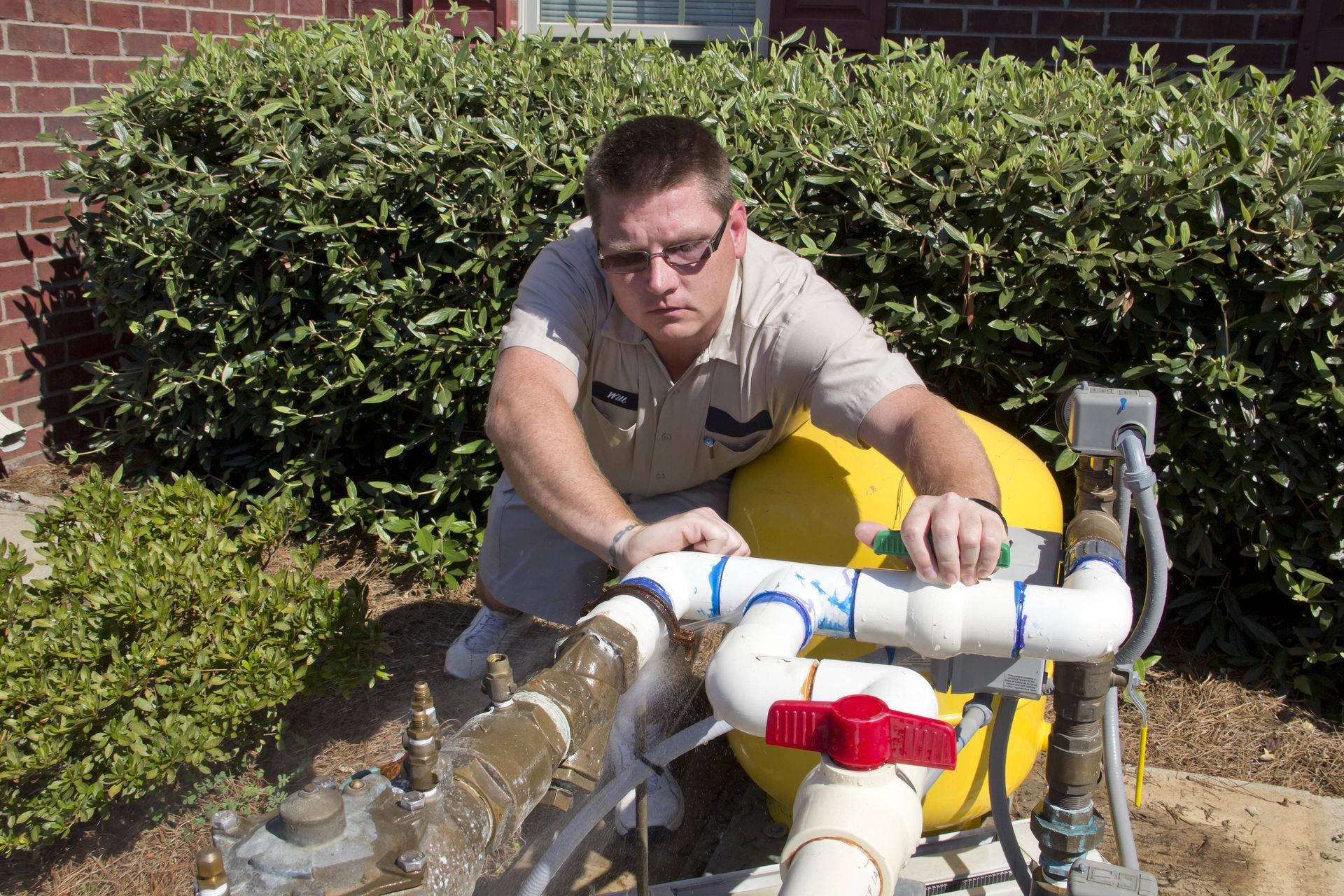
Visual inspections play a vital role in the assessment process, as they provide the first line of defense in identifying potential issues. While other assessment methods are often high-tech, a trained eye can spot concerns by simply examining the system. This type of inspection helps in quickly identifying apparent problems such as leaks, corrosion, and obstructions. Regular visual checks can prevent minor issues from escalating into major, costly repairs. They are an essential part of preventive maintenance strategies, helping to prolong the life of the well pump.
Identifying Visible Wear and Tear is a critical aspect during any visual assessment. Wear and tear naturally occur over time due to continuous operation and environmental factors. Signs of wear may include cracks, dents, or other deformities that could impair the pump's functionality. These issues, if left unattended, could lead to operational failures that require significant repairs. Ensuring that minor and early signs of wear are identified during regular inspections helps maintain system integrity and promotes longevity.
Checking for Rust and Corrosion is another key task during visual inspections. Rust and corrosion can significantly impair the functioning of a well pump system, potentially compromising water quality and pump efficiency. It's crucial to examine not only the pump unit but also any exposed metal surfaces, bolts, and connectors for signs of corrosion. Given the often damp and humid environment in which well pumps operate, they are susceptible to such deterioration. Addressing rust proactively can save substantial repair costs and help prevent system failures.
Pressure Testing
Pressure testing is one of the cornerstone methods used to evaluate a well pump's effectiveness. This process helps in diagnosing issues related to water pressure, which is essential for the consistent delivery of water. By using specialized equipment, technicians can measure and monitor pressure levels throughout the system. Pressure readings can reveal leaks, clogs, or other issues that negatively impact the pump's efficiency. Regular pressure testing can identify these problems before they develop into severe issues requiring costly repairs.
Monitoring Pressure Levels is crucial in ensuring a well pump's consistent functionality. Proper pressure is vital for the efficient operation of the pump and the delivery of water. A dip or surge in pressure can affect water flow, causing inconvenience and potential damage to the system. Consistent monitoring of pressure levels allows for timely adjustments and corrections before any damage occurs. This preventive measure ensures that the water supply remains uninterrupted and efficient.
Detecting Pressure Fluctuations during assessments can immediately alert technicians to underlying issues. Fluctuating pressures may indicate problems such as worn-out components, blockages, or air leaks in the system. These fluctuations can cause inconsistent water flow, which can lead to further mechanical issues. Rapid detection and correction of such irregularities can prevent larger problems and extend the life of the well pump. Consistent pressure levels are pivotal for the uninterrupted supply and optimal functioning of water delivery systems.
Water Flow Analysis
Accurately measuring flow rate is essential for evaluating the performance of a well pump. A correct flow rate ensures that the system can meet the water demands of the household efficiently. Insufficient or excessive flow rates can be indicative of larger underlying issues, such as blockages or mechanical faults. During an assessment, professionals will use flow meters to determine if water is being delivered at the appropriate rate. Identifying discrepancies can help in adjusting components or cleaning blockages to improve the overall efficiency and performance of the well pump.
Evaluating Flow Consistency is just as important as measuring the flow rate. Consistent water flow indicates a well-functioning pump and an efficient delivery system. Inconsistent flow can result in insufficient water supply and potential damage to household appliances that rely on water. Technicians are trained to observe and measure any irregularities or fluctuations in water flow, which can signify mechanical issues or clogs. Correcting these inconsistencies is vital for maintaining a reliable and efficient water pump system.
Impact of Flow Issues on Pump Performance is a critical consideration during assessments. Any irregularities or drops in water flow can signal inefficiencies or mechanical failures. Flow issues can reduce pump efficiency and lead to increased energy consumption. In severe cases, they might even cause premature system failures, necessitating costly repairs or replacements. By identifying and addressing flow-related issues early, homeowners can ensure that their well pump continues to operate effectively, providing a consistent and efficient water supply.
Water Quality Testing
Water quality testing is indispensable for maintaining both the health of the well pump and the safety of the household water supply. Poor water quality can deteriorate pump components and impact efficiency. By analyzing water for contaminants, technicians can recommend treatments or modifications to prevent damage to the pump. Clean, safe water is essential for health, highlighting the importance of regular water quality evaluations. Addressing water quality issues ensures that the pump operates smoothly and that homeowners receive safe, potable water.
Testing for Contaminants includes checking for various substances that might affect pump function or water safety. Technicians test for bacteria, heavy metals, and other harmful agents that could degrade the system or pose health risks. Identifying and addressing any contamination issues can prevent damage to the pump and ensure a safe water supply. Regular contaminant testing is an essential preventive measure, safeguarding both the pump's longevity and household wellness. Any detected contaminants are typically treated through filtration or chemical treatment systems, ensuring water purity.
Evaluating pH Levels and Mineral Content helps in understanding the long-term implications for pump maintenance and water safety. Incorrect pH levels and high mineral content can cause scaling, corrosion, and wear on pump components. Addressing this through regular assessment and treatment prevents premature system degradation. According to This Old House, well pump removal can be very labor-intensive, as some pumps weigh over 100 pounds, making it even more vital to maintain a well-functioning system. Water quality assessments ensure all these factors are within safe and efficient operating conditions, minimizing the need for exhaustive repairs or replacements.
By employing these comprehensive assessment methods, a well pump service will provide insights into the health of your well pump, offering peace of mind and proactive solutions to maintain its efficiency and longevity. Regular evaluations are key to preventing breakdowns and ensuring a reliable water supply for your home or property. Without systematic assessments, potential issues may go unaddressed until they become major problems. Consistent evaluations also assist in optimizing the pump's performance and energy efficiency, which in turn results in cost savings for homeowners. With a deeper understanding of these assessment techniques, you can now appreciate the value they bring in ensuring a functional, efficient, and long-lasting well pump system. For expert well
pump service you can count on, contact Water Systems Specialties, A Regional Water Authority Company, today.