October 28, 2026
Choosing the right well pump is essential for maintaining dependable water pressure and a consistent household supply. Two common options are submersible pumps and jet pumps, each designed to move groundwater through different operating methods. Understanding their differences helps property owners evaluate which system suits their well and daily water requirements.
Professional pump service can help homeowners compare equipment based on well depth, water demand, installation requirements, and long-term operating costs. Although both systems serve similar purposes, their performance varies depending on property conditions. The following comparisons explain the advantages and limitations of each option.
Comparing Pump Operating Methods
Understanding Submersible Pump Operation
Submersible pumps operate underwater inside the well casing. Their motors drive water upward through a discharge pipe toward the property's plumbing system. This design allows them to push water efficiently from considerable depths without relying on suction from the surface. Their submerged location also protects the motor from direct outdoor exposure.
Understanding Jet Pump Operation
Jet pumps typically operate above ground, using suction and a jet assembly to move water. Shallow-well configurations use one pipe, while deep-well systems generally use two pipes connected to an ejector assembly located inside the well.
Understanding Motor Placement Differences
Submersible motors remain submerged during operation, while conventional jet pump motors are positioned above ground. This distinction influences accessibility, operating noise, and maintenance requirements. Professional pump service helps homeowners understand how motor placement affects their particular installation.
Understanding Water Movement Differences
Submersible systems push water toward the surface, whereas jet systems rely on suction and pressure differences. These operating principles affect efficiency and suitability for different well depths. Neither design is automatically superior under every property condition.
Comparing Well Depth Requirements
Evaluating Shallow Well Applications
Shallow-well jet pumps are commonly used where the vertical suction lift remains within practical limits, generally around 25 feet or less under favorable conditions. They can provide suitable performance when the groundwater level remains relatively close to the surface.
Evaluating Deep Well Applications
Submersible pumps are frequently selected for deeper wells because their underwater placement eliminates the suction limitations associated with shallow-well jet systems. Deep-well jet pumps are another option, although their configuration and performance requirements differ considerably. Available water yield also influences the appropriate equipment choice.
Evaluating Seasonal Water Levels
Groundwater levels may change during droughts, heavy rainfall, or periods of increased demand. A system must accommodate these fluctuations without experiencing repeated supply interruptions. Experienced pump service professionals consider water levels when recommending appropriate equipment.
Evaluating Existing Well Construction
Well casing diameter, depth, and available space can limit equipment choices. Some installations cannot accommodate particular pump assemblies without modifications. Professional evaluation helps determine which system fits the existing well construction and applicable installation requirements.
Comparing Water Pressure Performance
Assessing Household Water Demand
Homes with multiple bathrooms, irrigation systems, or frequent simultaneous water use may require greater pumping capacity. Equipment selection depends on expected flow rates and available well production. Proper matching helps maintain usable pressure during routine household activities.
Assessing Pressure Consistency
Both pump types can maintain household pressure when correctly sized and paired with appropriate controls. Pressure fluctuations may indicate equipment problems, inadequate capacity, or distribution restrictions. Professional pump service can identify the factors affecting consistent water delivery. Consistent pressure becomes especially important when several fixtures operate simultaneously.
Assessing Pumping Capacity
Flow capacity varies by pump model, horsepower, well depth, and operating pressure. A larger motor does not necessarily provide better results. Professionals compare performance specifications with actual household requirements before recommending a particular system.
Assessing Pressure Tank Compatibility
Pressure tanks help regulate system operation and reduce unnecessary motor starts. Tank sizing and pressure settings influence cycling behavior. Both jet and submersible pumps require compatible controls to support efficient operation and dependable water delivery.
Comparing Energy Efficiency and Costs
Reviewing Electricity Consumption
Submersible pumps often operate efficiently because they push water rather than drawing it through long suction lines. Jet pumps may consume more electricity for comparable conditions, particularly in deeper installations. Actual consumption depends on equipment specifications and system design.
Reviewing Initial Equipment Expenses
Purchase costs vary with pump capacity, materials, controls, and installation complexity. Some shallow-well jet systems have lower initial equipment expenses. However, property owners should compare complete installation estimates rather than assuming one design always costs less.
Reviewing Installation Expenses
Submersible installation involves placing equipment inside the well, while jet pump installation requires suitable aboveground space and piping. Existing infrastructure affects labor requirements. Professional pump service providers can explain installation differences and associated expenses. Specialized equipment or difficult well access may also affect installation pricing.
Reviewing Long-Term Operating Expenses
Electricity, maintenance, and future repairs contribute to ownership costs. A less expensive initial installation may not always deliver the lowest long-term expense. Comparing expected performance and service requirements helps homeowners evaluate overall financial value.
Comparing Maintenance and Reliability
Considering Routine Maintenance Requirements
Both systems benefit from professional inspections of electrical components, pressure controls, and water delivery performance. Jet pumps offer easier aboveground motor access, while submersible repairs may require removing equipment from the well. Maintenance needs depend on operating conditions.
Considering Motor Cycling Concerns
According to the National Well Pump Repair Authority, typical residential electric well pump motors are designed for a maximum of up to 300 starts per hour. Actual allowable cycling depends on manufacturer specifications, making proper controls important. Excessive cycling can increase mechanical wear and shorten equipment life.
Considering Common Equipment Problems
Jet pumps may experience priming problems or suction-line leaks, while submersible systems can develop motor, cable, or discharge-pipe issues. Professional pump service helps identify underlying causes rather than treating every pressure problem as a pump failure.
Considering Expected Equipment Lifespan
Service life depends on water quality, electrical conditions, installation quality, and operating frequency. Neither pump type has a universally guaranteed lifespan. Appropriate sizing, compatible controls, and professional maintenance can help limit avoidable equipment stress.
Comparing Installation and Property Suitability
Determining Available Installation Space
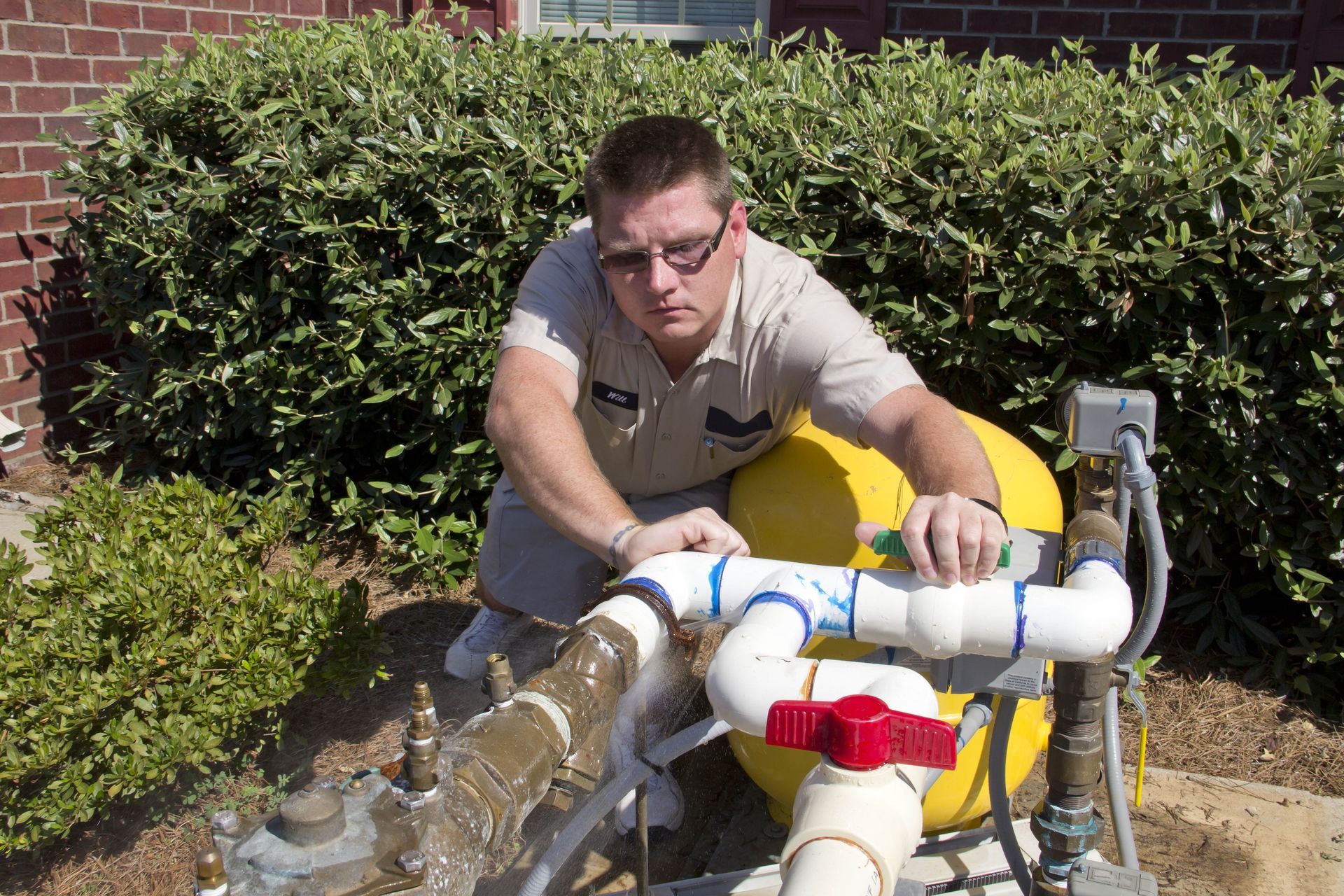
Jet pumps require an accessible location above ground, often inside a utility area or protective enclosure. Submersible pumps remain inside the well, reducing aboveground equipment requirements. Property layout can influence which arrangement is more practical.
Determining Noise Considerations
Aboveground jet pump motors can produce noticeable operating noise, especially near occupied rooms. Submersible motors operate underwater, making them generally quieter at the surface. Homeowners concerned about sound may prefer an appropriately selected submerged system.
Determining Accessibility Requirements
Aboveground equipment is typically easier to inspect, but exposure to freezing temperatures or environmental conditions may require protection. Submersible systems avoid some surface concerns, although repairs can involve additional labor and specialized removal equipment.
Determining Professional Recommendations
The best choice depends on measured well conditions, required water flow, available space, and ownership priorities. Experienced pump service technicians can assess these factors and recommend equipment suited to the property's water supply system. Their recommendations can also account for future household water demands.
Submersible and jet pumps offer different advantages depending on well depth, operating conditions, and household demand. Submersible systems often suit deeper wells and quieter installations, while jet pumps may work well for suitable shallow wells with accessible equipment locations. Professional assessment helps homeowners avoid selecting equipment based on price or convenience alone.
Need help selecting the right well pump? Contact Water Systems Specialties, A Regional Water Authority Company, today for professional pump service and equipment recommendations. Our team can evaluate your well, explain available options, and help you choose a dependable solution for your household's water needs.