September 28, 2026
Hard water can affect much more than the appearance of dishes or the feel of freshly washed skin. When water contains elevated levels of minerals such as calcium and magnesium, those minerals can accumulate inside plumbing fixtures and pipes. Over time, mineral deposits may interfere with water flow, affect appliances, and contribute to ongoing maintenance concerns.
Understanding the effects of hard water can help homeowners recognize why their plumbing may need additional protection. Water treatment solutions can address mineral content and help improve the quality of water moving throughout a home. The right approach depends on the property's water source, existing plumbing, and the specific characteristics of the water.
Understand How Hard Water Develops
Hard water occurs naturally when groundwater moves through mineral-rich soil and rock. During that process, the water can absorb dissolved minerals before reaching a household's plumbing system. The resulting mineral content is not necessarily visible when water first comes from a faucet, but its effects can become apparent over time.
Calcium and magnesium are the minerals most commonly associated with hard water. They can interact with soap, create residue on surfaces, and contribute to deposits inside plumbing components. Water hardness can vary significantly between locations, which means homeowners may experience different levels of mineral buildup depending on their water source.
A water treatment professional can help determine whether hard water is affecting a property and identify an appropriate approach. Testing the water provides useful information about its mineral content rather than relying solely on visible signs. This information can help guide decisions about filtration, softening, or other treatment options.
Recognize Plumbing Effects
One of the most important concerns associated with hard water is mineral accumulation inside plumbing. As water repeatedly passes through pipes, dissolved minerals can settle and form deposits. These deposits may gradually restrict the interior space available for water to flow, potentially affecting pressure and performance.
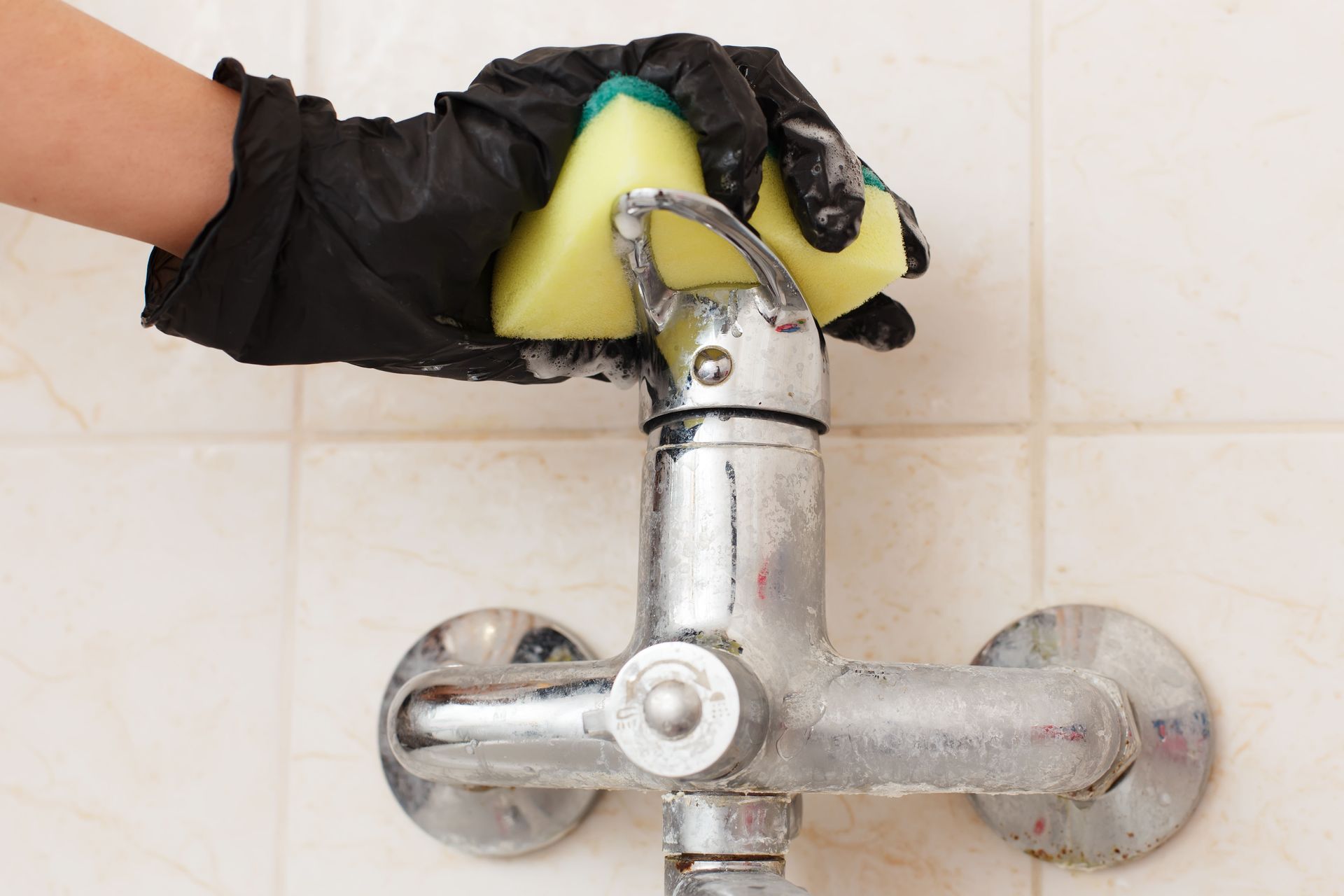
Mineral buildup can also affect faucets, showerheads, valves, and other fixtures. White or chalky residue around openings may indicate that minerals are accumulating. Cleaning the visible residue may improve the appearance temporarily, but recurring buildup can indicate that the underlying water quality deserves attention.
Water treatment can help reduce the mineral content responsible for many of these deposits. Addressing the source of the problem can be more effective than repeatedly cleaning individual fixtures. A professional can evaluate the plumbing system and determine whether mineral accumulation is significant enough to warrant treatment.
Homeowners may also notice changes in how plumbing performs over time. A fixture that once delivered strong, consistent flow may eventually seem restricted. While several issues can cause reduced flow, persistent mineral buildup is one possibility worth investigating, particularly in areas known for hard water.
Protect Household Appliances
Plumbing pipes are not the only parts of a home affected by hard water. Appliances that regularly use water can also accumulate mineral deposits. Water heaters, dishwashers, washing machines, and other equipment may experience buildup in components that repeatedly come into contact with mineral-rich water.
Inside a water heater, mineral deposits can collect around components and settle at the bottom of the tank. This buildup can interfere with normal operation and may make the appliance work harder. Regular maintenance can help, but addressing the quality of the incoming water may provide another layer of protection.
Water treatment systems can help reduce the minerals entering appliances throughout the property. This can be particularly useful for households that have repeatedly dealt with scale or residue. A professional can recommend an approach based on the property's water characteristics and the equipment already installed.
Protecting appliances can also contribute to more consistent household routines. When equipment operates under better water conditions, homeowners may spend less time dealing with mineral-related cleaning and maintenance. Treatment should not replace manufacturer-recommended care, but it can complement regular maintenance practices.
Improve Cleaning Results
Hard water can make everyday cleaning more difficult because minerals can interfere with soap and detergent. Soap may leave behind a film instead of rinsing away cleanly, while glassware and fixtures can develop visible spots or residue after water evaporates.
Bathrooms are often among the easiest places to notice these effects. Shower doors, faucets, tile, and sinks may develop cloudy or chalky deposits that require repeated cleaning. Kitchen fixtures and dishes can experience similar issues, especially when water droplets are allowed to dry on surfaces.
Water treatment can improve the water conditions responsible for some of these cleaning challenges. By reducing the minerals that interact with soaps and leave deposits behind, a suitable system may help households achieve cleaner-looking surfaces with less effort.
The benefits can extend to laundry as well. Hard water can affect how detergents interact with fabrics, potentially leaving clothes feeling less soft or looking dull over time. Addressing water hardness can make routine cleaning tasks easier while reducing the persistent residue associated with mineral-rich water.
Choose a Suitable Treatment
Not every property requires the same solution for hard water. A household's water source, mineral concentration, plumbing configuration, household size, and existing equipment can all influence which treatment approach makes sense. Professional testing can provide a clearer starting point than selecting equipment based solely on general recommendations.
According to US Water Systems, only about 25% of households have a water softener installed. That figure illustrates that many homes do not currently use this type of equipment, even though water hardness can affect plumbing and household routines. The appropriate solution depends on individual water conditions rather than whether a particular system is common in a given area.
Water softeners are one option for addressing hardness by reducing calcium and magnesium in the water. Other filtration or conditioning technologies may address different water-quality concerns. Understanding what each system is designed to accomplish can help homeowners avoid expecting one piece of equipment to solve every possible water issue.
A professional evaluation can also account for concerns beyond hardness. Water may contain other substances that affect taste, odor, appearance, or overall quality. Comprehensive testing can help identify which issues are actually present and whether a combination of treatment methods is appropriate for the property.
Maintain a Water System
Installing a treatment system is only part of protecting a home's water quality. Equipment requires appropriate maintenance to continue functioning as intended. Depending on the system, maintenance may involve replenishing treatment materials, replacing filters, cleaning components, or checking performance.
Homeowners should follow the manufacturer's recommendations for routine care and pay attention to changes in water quality. A sudden return of scale, changes in taste, or other unusual conditions may indicate that equipment needs attention. Promptly addressing those changes can help prevent a small maintenance issue from becoming a larger concern.
Water treatment can be particularly valuable when it is viewed as part of an overall plumbing maintenance strategy. Protecting pipes and fixtures begins with understanding the water entering the home. From there, homeowners can combine appropriate treatment with regular inspections and maintenance to keep their plumbing system operating properly.
Professional service can provide additional reassurance when a system requires inspection or adjustment. Rather than guessing about mineral levels or equipment performance, homeowners can have the system evaluated and receive recommendations based on actual conditions.
Hard water does not have to become a constant source of residue, buildup, and plumbing concerns. Understanding the water entering a home and selecting an appropriate solution can help protect pipes, fixtures, appliances, and everyday routines. For professional guidance on improving household water quality and finding the right approach, contact Water Systems Specialties, A Regional Water Authority Company, and take the first step toward better water.