October 28, 2026
This article provides comprehensive insights into selecting the best water treatment system for your needs. It covers various factors including water quality assessment, system types, costs, and maintenance to help you make an informed decision. With clean water being essential for health and well-being, choosing the right system is crucial. Whether you are concerned about contaminants, water hardness, or taste, this guide will navigate you through the complexities. As consumer awareness about water quality increases, so does the variety of solutions available in the market.
1. Understanding Your Water Needs
Before choosing a water treatment system, it's essential to assess your water quality. Conducting a water test can reveal specific contaminants present in your supply. Recognizing water usage patterns is equally important in making an effective choice. Different households have varied water needs, impacting the system's workload. Considering both quantity and quality will guide you towards an optimal solution.
The size of your household directly impacts the volume of water required and the type of treatment system you choose. A larger family will generally consume more water, influencing the capacity needed. Identifying specific contaminants like chlorine, lead, or bacteria helps in narrowing down suitable systems. Each system is designed to target different impurities, so understanding your unique concerns is crucial. Seasonal variations can also affect water usage, especially in climates with distinct wet and dry seasons.
According to NSF.org, consumer research indicates that 77% of water filtration buyers would recommend a filtration system to a friend. This underscores the satisfaction and reliability of these systems. However, it’s critical to personalize your choice based on firsthand assessments. With diverse needs and preferences, customization ensures you address core issues effectively. Such diligence ensures peace of mind regarding water purity and family health.
2. Types of Water Treatment Systems
Water treatment systems can generally be classified into point-of-entry (POE) and point-of-use (POU) systems. POE systems treat all the water entering your home, ideal for comprehensive treatment needs. In contrast, POU systems are installed at specific locations, like the kitchen tap, for targeted intervention. Understanding these differences is key to selecting a suitable system for your household. The choice between POE and POU largely depends on your contamination concerns and budget.
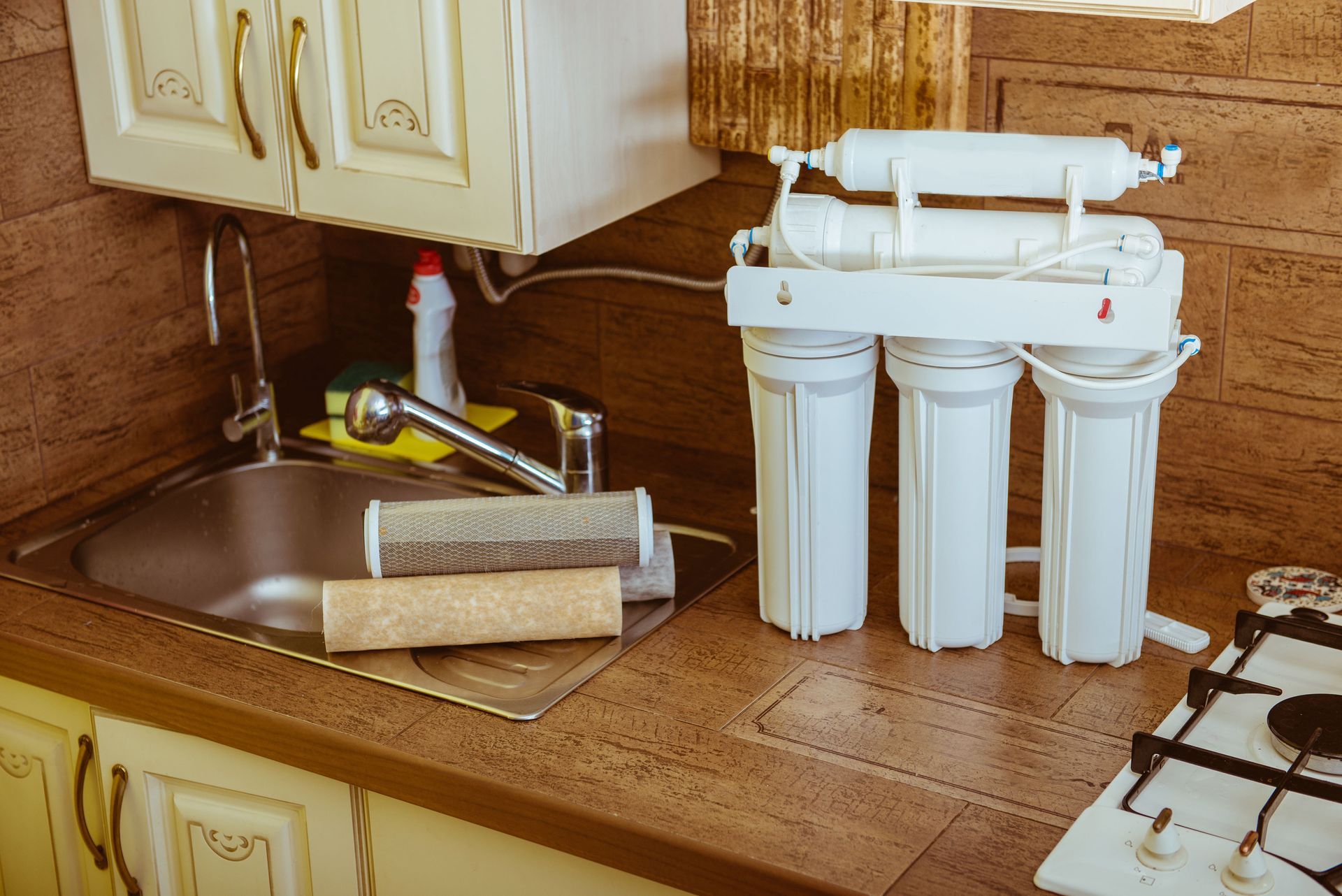
Filtration systems are perhaps the most common, using physical barriers to remove particles and impurities from water. These systems can range from simple carbon filters to complex multi-stage designs. Reverse osmosis systems use a semipermeable membrane to remove ions, molecules, and larger particles, making them effective for contaminants like lead and fluoride. Although effective, reverse osmosis requires routine maintenance to ensure efficacy. Ultraviolet (UV) purification systems, meanwhile, are excellent for eliminating bacteria and viruses without chemicals.
Water softeners address issues related to hard water by removing magnesium and calcium ions. These minerals can lead to buildup in pipes and appliances, and water softeners are a preventative solution. Different systems offer various features, such as automatic regeneration or easy maintenance options. Understanding the type and function of each system empowers you to make informed choices. The ultimate goal is to improve water quality while meeting the specific needs and preferences of your household.
3. Evaluating System Efficiency and Certification
Efficiency ratings are crucial in determining the suitability of a water treatment system. Systems with high efficiency not only perform better but also save on long-term energy and maintenance costs. Certification from recognized bodies ensures that the product meets safety and reliability standards. These certifications, such as those from NSF International, validate a system’s claims about removing certain contaminants. Informed buyers should prioritize both efficiency and certification for optimal outcomes.
Understanding the importance of testing labels helps confirm a system’s effectiveness in contaminant removal. Removal rates often indicate how well a system purifies water, which can vary significantly between brands. Evaluating these rates gives insight into performance expectations and real-world results. Additionally, energy consumption should not be overlooked as it contributes to operational costs. Choosing an energy-efficient system balances performance and economic considerations.
Warranty and guarantee terms safeguard your investment by offering repair or replacement solutions. These terms vary, so assess them carefully when comparing products. A strong warranty indicates a company’s confidence in its product, which can be reassuring for potential buyers. Confidence in water treatment systems is mirrored in positive consumer testimonials. As NSF.org highlights, most filtration buyers would gladly recommend their systems to others, demonstrating consistent reliability and performance satisfaction.
4. Cost Considerations and Budgeting
The initial purchase cost of water treatment systems can significantly vary. Factors influencing price include technology type, capacity, and brand recognition. But purchase costs are not the only financial consideration; installation expenses must also be factored in. For some systems, professional installation is necessary, potentially raising initial costs. Budgeting should also account for these upfront expenses to avoid surprises.
Operating and maintenance costs are recurring expenses associated with water treatment systems. Consider filter replacements, energy use, and regular maintenance fees in your budget. Although these costs may seem minor individually, they accumulate over time, emphasizing the importance of long-term financial planning. Some systems offer better long-term value due to lower maintenance needs or energy efficiency. Evaluating total ownership cost rather than just purchase price can illuminate true value.
Financing options may be available through companies or third-party lenders, facilitating easier access to high-quality systems. Incentives from local government or energy companies could provide additional savings, especially when investing in eco-friendly technology. Researching these financial aids can make the decision to purchase more feasible. Ultimately, strategic budgeting ensures your choice maximizes both quality and affordability. Carefully balancing initial and ongoing costs creates a more manageable financial expectation.
5. Installation and Maintenance Requirements
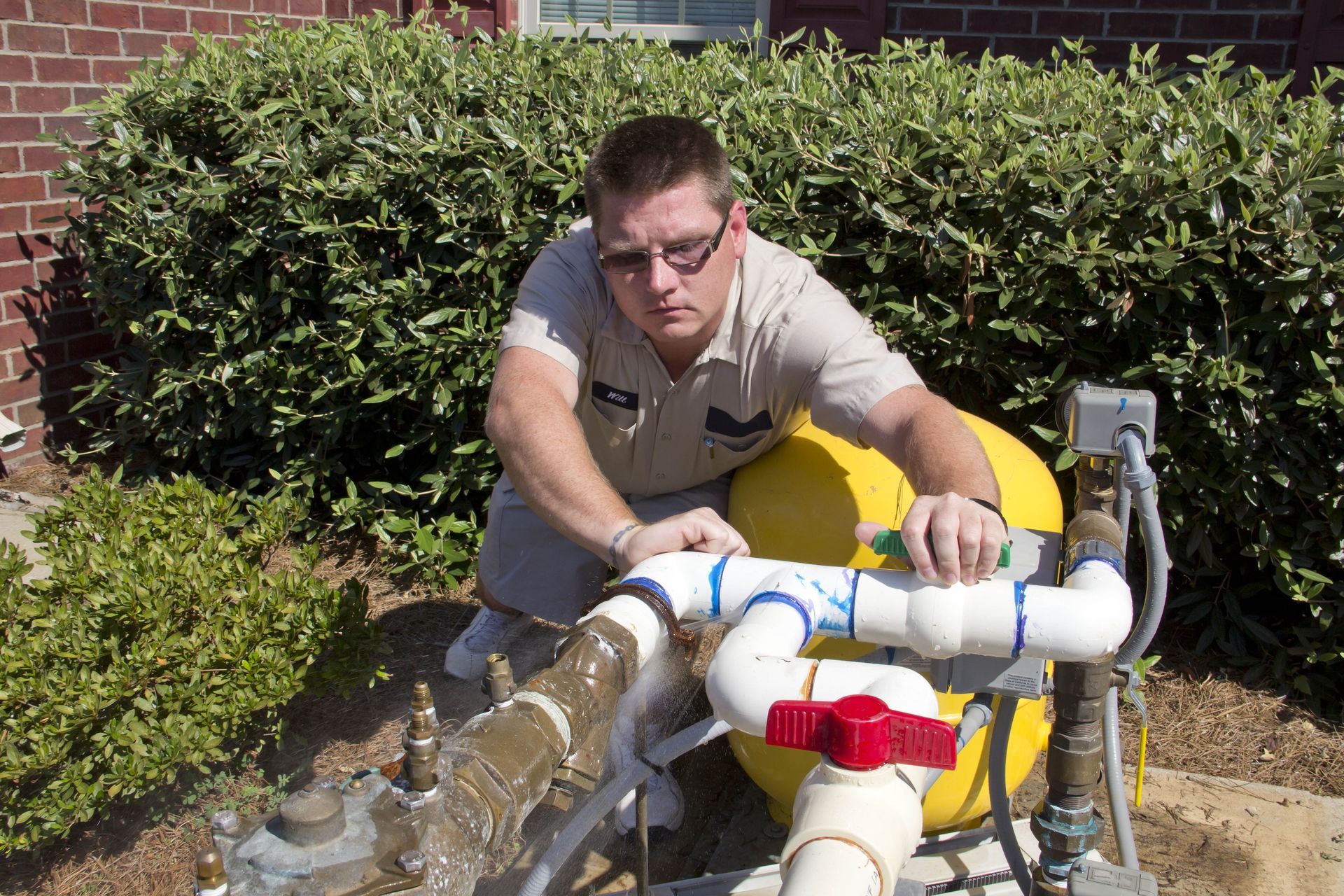
Installation is a critical stage in setting up your water treatment system. Deciding between professional installation and a DIY approach depends on the system's complexity and your personal expertise. While DIY installation can save money, professional services often guarantee proper setup and compliance with local regulations. Proper installation is crucial for the system's efficacy and longevity. Failure to follow manufacturer guidelines may void warranties or lead to suboptimal performance.
Maintaining your water treatment system involves regular tasks that ensure its continued effectiveness. Establishing a maintenance routine keeps your system in top condition and prevents performance issues. Common activities include filter changes, tank checks, and monitoring system pressure. Availability of replacement parts is vital for seamless maintenance; choose brands that offer easily accessible parts. Scheduling regular performance checks helps identify and address issues before they escalate.
Troubleshooting common issues involves understanding potential system malfunctions or inefficiencies. Recognizing signs like reduced water flow or strange noises can prompt timely interventions. A proactive maintenance approach reduces risks of unexpected failures and extends the system’s lifespan. Engaging with professionals for regular servicing provides peace of mind and optimal system function. An informed approach to installation and maintenance fosters a reliable and efficient water treatment solution.
6. Consulting with Professionals and User Reviews
Consulting credible water treatment experts provides tailored advice conducive to informed decision-making. Experts can offer insights based on scientific water analyses and systems. This professional guidance helps navigate the technical landscape of water treatment systems effectively. Local water authorities also offer resources and expertise, ensuring community-specific water issues are addressed. Their feedback facilitates informed and contextual system selection.
Selecting the right water treatment system involves a thorough understanding of your specific needs, evaluating different types of systems, and considering long-term costs and maintenance. With a wealth of information and resources, making an informed choice navigates the challenges of water quality with ease. Expert advice and personal research together provide the foundation of a wise investment. By following this guide, you can ensure access to clean and safe water for your household. This not only enhances health but also offers peace of mind and improved quality of life. Be sure to reach out to Water Systems Specialties, A Regional Water Authority Company today to learn more about our professional water treatment company!