March 25, 2026
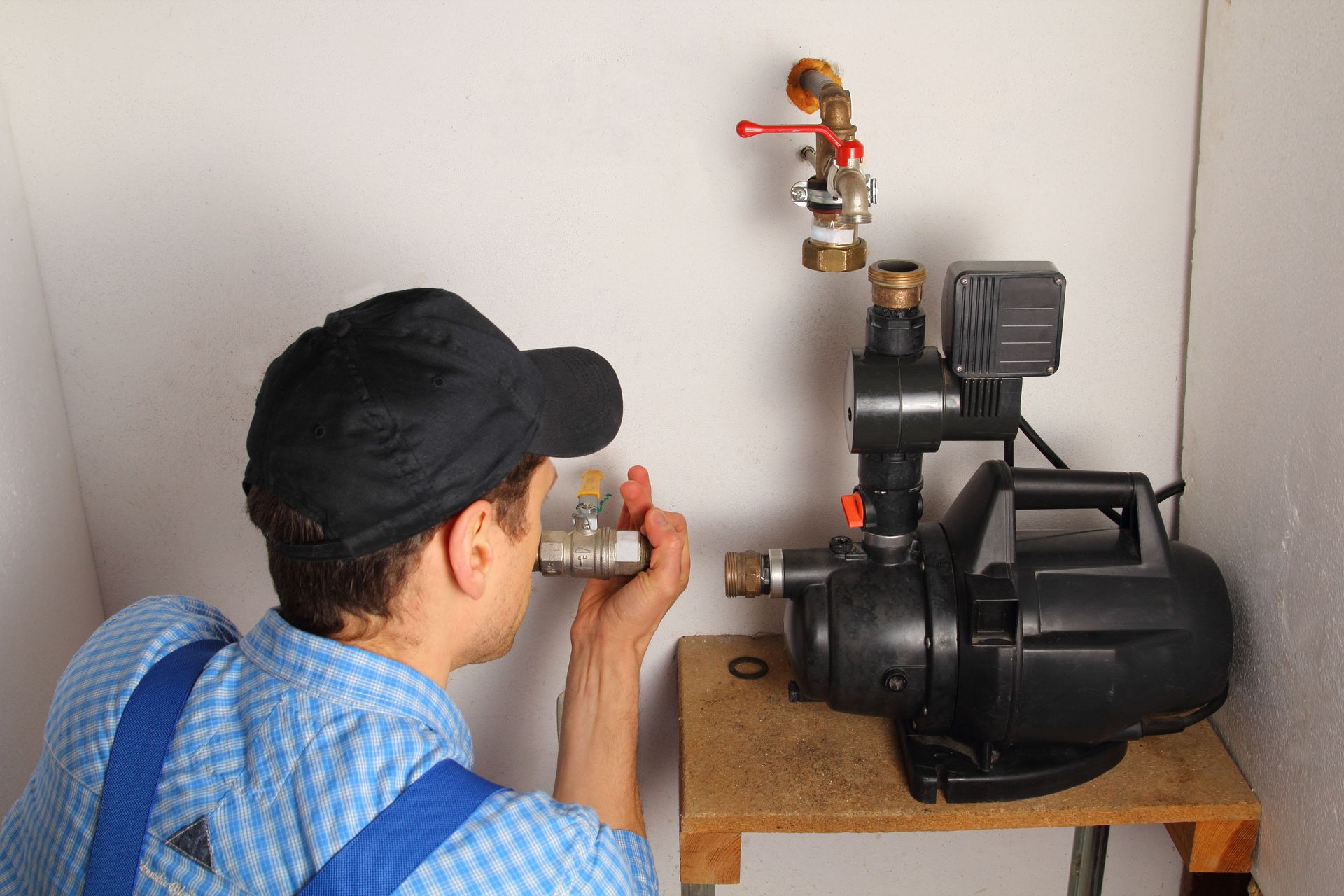
A well pump is the heart of a home’s water system, providing the consistent flow and pressure needed for everyday activities. However, even the most reliable pumps can develop issues over time that affect performance, efficiency, and safety. Signs such as fluctuating water pressure, unusual noises, or unexpectedly high electric bills often indicate that a professional well pump inspection is necessary. Identifying problems early through routine inspections can prevent costly repairs, extend the life of the pump, and ensure an uninterrupted water supply. Understanding these warning signals helps homeowners take proactive steps to maintain their well systems and avoid unexpected disruptions.
1. Fluctuation in Water Pressure
One of the most obvious signs that a well pump inspection is needed is a sudden drop in water pressure. This can occur when there is damage to the pump or its components, disrupting the normal flow of water. Consistent water pressure is crucial for everyday activities such as showering and irrigation. A professional inspection can identify whether the issue is due to a fault in the pump itself, clogged pipes, or leaks within the plumbing system. Regular inspections could prevent such incidents by ensuring all parts are functioning correctly, resulting in reliable water pressure.
Inconsistent water flow is another indicator that a well pump inspection might be necessary. This issue often results from a failing pump or pressure tank, which can significantly disrupt daily water use. Inconsistent water flow might manifest as spurts of water or frequent changes in water temperature, which can be frustrating and inconvenient. An inspection will help determine the root cause of the issue, allowing for effective solutions to be applied. By addressing the problem early, you can avoid the need for costly repairs or the potential for a complete system failure.
Pump short cycling refers to the pump turning on and off frequently, even when water is not being used. This can be caused by several factors, such as a waterlogged pressure tank or faulty pressure switch. Short cycling not only wastes energy but also accelerates the wear and tear on the pump, reducing its lifespan. Regular inspection can identify and correct the underlying issues, avoiding unnecessary energy costs and preserving the pump. According to HomeGuide, well pumps generally need to be replaced every 8 to 15 years, but with proper maintenance and early detection of issues like short cycling, they can last well into their expected lifespan.
Unusual sounds emanating from the well pump can be an indication of mechanical issues that require immediate attention. These noises may include grinding, squealing, or thumping, each indicating different potential problems. Grinding sounds often suggest that components within the pump are misaligned or experiencing wear. Such issues, if left unresolved, can lead to pump failure and necessitate costly repairs. By scheduling a prompt inspection at the first sign of unusual noises, you can address the root cause and restore smooth and quiet operation of the pump.
2. Unusual Noises from the Well Pump System
Grinding or squealing noises from a well pump can be alarming and are often indicative of mechanical problems. These sounds may result from worn-out bearings or imbalances in the rotor and motor assembly. If left unaddressed, the continuous operation of the pump can aggravate the issue, leading to more extensive damage. An inspection can pinpoint the cause of these noises and facilitate repairs before they escalate. Timely identification and resolution of these issues can prevent costly repairs and ensure the smooth operation of your well pump system.
Banging or thumping noises can indicate air in the water pipes or a malfunctioning pump motor. These sounds may arise when the pump struggles to maintain a consistent water flow, causing pressure surges. Such noises are not only disturbing but can also signal underlying issues that could compromise the pump’s efficiency. A well-timed well pump inspection will help determine whether the noise is due to pipe obstructions, system airlocks, or other mechanical failures. Addressing these problems promptly can help restore quiet and reliable operation, safeguarding the pump from further damage.
Sometimes, well pump systems may produce echo-like or cavitation sounds, indicating potential issues with the pump’s operation. Cavitation occurs when air pockets form within the pump, often as a result of inadequate water supply to the pump. These air pockets can cause physical pitting on the pump blades, reducing efficiency and lifespan. Inspection can help identify if cavitation is present and allow for necessary adjustments to prevent damage. Proactive measures can mitigate the risks associated with cavitation, preserving the longevity and functionality of your well pump system.
3. Higher Electric Bills than Usual
A well pump that runs continuously can lead to higher-than-normal electric bills, signaling a need for inspection. This constant operation may arise from problems such as pressure switch failure or a leak in the system that disrupts optimal functioning. Not only does this increase electricity consumption, but it also accelerates wear on the pump components. Regular maintenance and prompt well pump inspections can identify the cause of constant running, allowing for necessary repairs or replacements. A well-maintained pump operates efficiently, minimizing energy use and reducing monthly utility expenses.
Energy inefficiency in a well pump system can result from various factors such as mechanical wear, improper settings, or electrical issues. An inefficient system not only leads to increased electricity bills but also poses risks of breakdowns and additional expenses. Regular inspection can identify inefficiencies, such as a miscalibrated pressure switch or an outdated pump, and remedy them promptly. Maintaining energy efficiency involves ensuring all components are in good working order and operating under the correct specifications. This proactive approach helps sustain energy-efficient operations that save on costs over time.
Higher electric bills warrant a comparison with previous months or years to determine if the well pump is the cause. Increased energy usage, with no corresponding increase in water consumption, suggests a malfunction within the pump system. A detailed inspection can reveal if the increased usage results from issues like a faulty motor or an incorrect pressure setting. Evaluating the pump’s age is also important, as systems often become less efficient over time and may require replacement. According to HomeGuide, well pumps generally need to be replaced every 8 to 15 years, and older models might necessitate upgrades to maintain cost efficiency.
Hidden electrical issues can often drive up energy consumption unbeknownst to the user, making regular well pump inspections essential. Faulty wiring, poor electrical connections, or a failing motor can all contribute to inefficiencies and increased energy usage. Qualified technicians can identify these hidden issues, ensuring that the electrical system operates in sync with the mechanical components of the pump. Timely identification and resolution of electrical issues help maintain an efficient and cost-effective pump system. Addressing these hidden problems prevents further complications, including potential pump failures and safety hazards.
Regular well pump inspections are essential for maintaining water pressure, preventing mechanical issues, and optimizing energy efficiency. By addressing problems such as short cycling, unusual noises, or hidden electrical faults early, you can safeguard your home’s water system and avoid costly replacements. Don’t wait until a small issue turns into a major problem—schedule a professional well pump inspection with Water Systems Specialties, A Regional Water Authority Company, today. Ensure your system operates smoothly, efficiently, and reliably, giving you peace of mind and consistent access to water when you need it most.