April 20, 2026
In a world where water is one of our most valuable resources, maintaining a reliable and efficient well pump system is crucial. Regular well pump inspection and maintenance of well pumps not only ensures a continuous supply of clean water but can also offer significant financial benefits. By prioritizing maintenance, homeowners can avoid the high costs associated with emergency repairs, extend the lifespan of their equipment, and increase the overall value of their property.
The Basics of Well Pump Systems
Well Pump Components
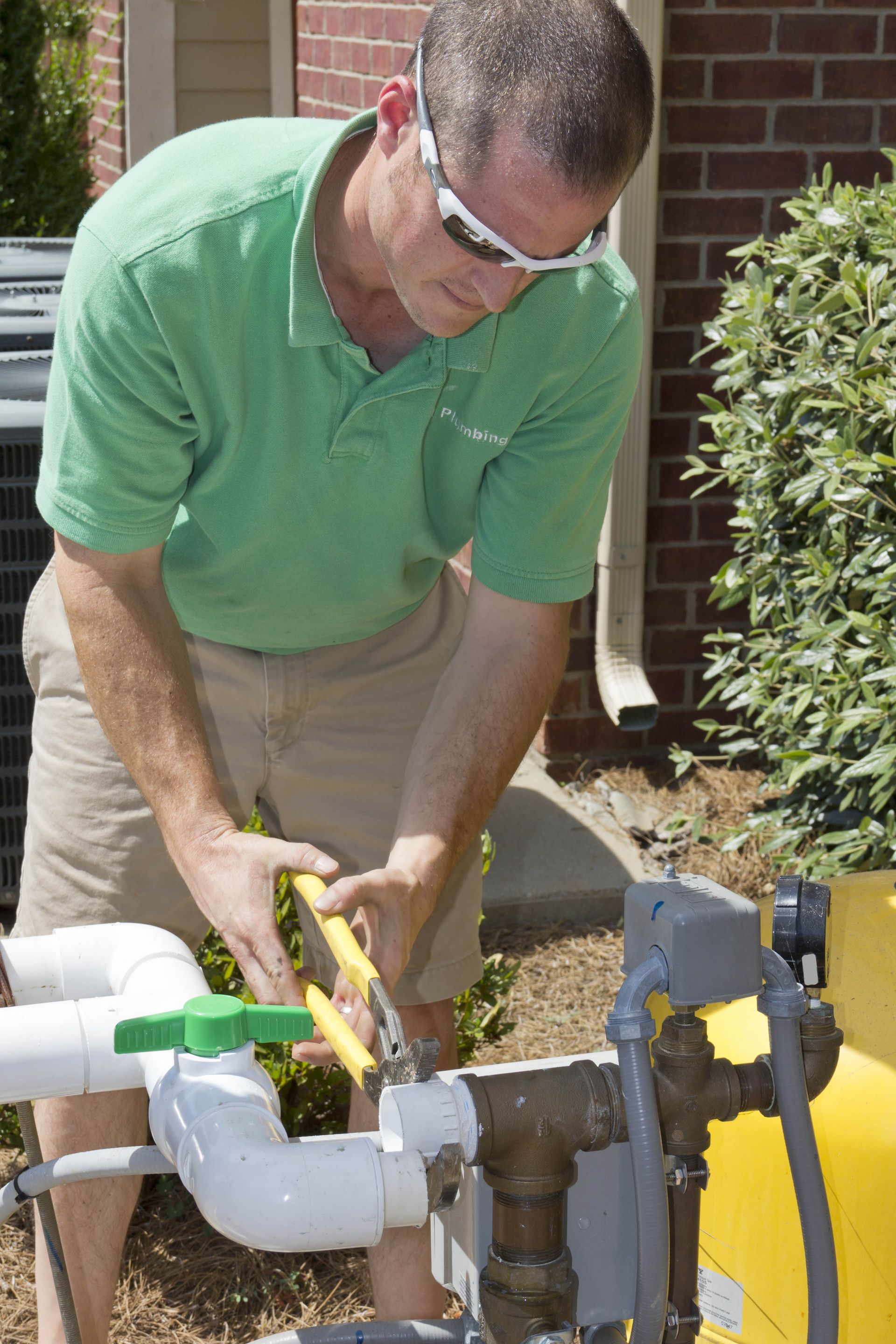
A well pump system is made up of various components that work together to provide water. The main components typically include the pump, motor, pressure switch, pressure tank, and control panel. Each part plays a vital role, with the pump itself drawing water from the well and delivering it to your home. The pressure switch and tank help manage water pressure, ensuring a steady supply. Regular well pump inspection of these components can prevent minor issues from becoming costly repairs.
Though varied in function, each component is integral to the system's operation. A malfunction in one part can lead to a domino effect, affecting the entire system's performance. For example, a faulty pressure switch could cause the pump to cycle too frequently, leading to premature wear. By understanding the function of each component, homeowners can appreciate the importance of regular checks. This foundational knowledge aids in recognizing potential issues early on.
Preventative maintenance allows for the identification of any components that may require repair or replacement. Understanding the intricacies of your well pump system can seem daunting without expert guidance. Nevertheless, familiarity with its workings can empower homeowners to make informed decisions regarding maintenance. Consulting a professional for regular well pump inspections can provide peace of mind. This proactive approach ensures that all components function harmoniously within the system.
Types of Well Pumps
There are several types of well pumps, each suited to different applications and well depths. Submersible pumps are most common for deep wells as they are placed within the water, reducing mechanical wear. Jet pumps, on the other hand, are more suitable for shallow wells and are usually installed above ground. Centrifugal pumps are another option, commonly used for irrigation due to their efficiency in moving large volumes of water. Choosing the right type of pump greatly influences the durability and efficiency of a well system.
The selection of a well pump should consider factors such as well depth, water demand, and energy efficiency. While submersible pumps tend to offer higher efficiency, they can be more challenging to service due to their submerged location. Jet pumps, although easier to repair, may not deliver the same level of efficiency for deeper wells. Centrifugal pumps provide a good balance for agricultural applications, where volume is more important than pressure. Each type has its advantages and potential drawbacks.
The lifespan of well pumps, according to This Old House, typically ranges from 10 to 20 years, depending on factors like construction quality and usage. Proper maintenance plays a crucial role in reaching the maximum lifespan of any chosen pump type. Regular checks and preventive strategies can mitigate the risk of premature failure. Selecting a pump with a good track record for reliability is essential. Weighing these factors against your specific needs helps to ensure optimal performance and cost savings.
Common Problems in Well Pump Systems
Inevitably, well pump systems can encounter a variety of issues if not properly maintained. One common problem is a drop in water pressure, often the result of a leaking pressure tank or blocked filters. Pumps may also run continuously, indicating a potential issue with the pressure switch or a leak in the system. Over time, mechanical wear and tear can lead to noisy operation or even pump failure. A routine well pump inspection helps identify these problems early, avoiding more significant damage and costly repairs.
Electrical issues are a common cause of well pump failure, with problems like tripped breakers or faulty wiring disrupting operation. Regular maintenance helps catch these issues early and prevents costly system shutdowns. Sediment and mineral buildup can also restrict water flow and reduce efficiency, especially in hard water areas. Routine cleaning, along with filters or softeners, helps protect your system and extend its lifespan.
The Role of Inspections in Early Detection
Regular inspections are pivotal in identifying possible issues before they lead to significant problems. By catching symptoms of wear and tear early, preventive measures can be taken long before more expensive repairs are necessary. Trained technicians are adept at recognizing subtle signs that could herald larger failures, such as unusual noises or slight performance changes. These proactive measures significantly reduce the overall cost of maintaining a well system. Early detection enables preemptive repairs, which curb potential disruptions and emergencies.
A well pump inspection often reveals components nearing the end of their life expectancy, affording them timely replacement. Given that well pumps last between 10 and 20 years, regular scrutiny aids in strategically planning for component updates. Scheduled maintenance provides peace of mind and operational continuity for homeowners. Continual use without breakdown is the overarching aim, achievable through consistent oversight. Proactive maintenance strategies foster a more sustainable, cost-effective, and reliable water supply system.
Cost Efficiency of Regular Maintenance
Breakdown of Maintenance Costs vs. Emergency Repairs
Investing in regular maintenance is considerably more cost-effective than handling emergency repairs. Maintenance costs are predictable, allowing homeowners to budget for them annually or semi-annually. In contrast, emergency repairs often come with exorbitant expenses and immediate demands that can strain financial resources. By spreading out the costs of regular upkeep, homeowners avoid the shock and financial burden of sudden repair bills. This approach not only makes fiscal sense but also ensures long-term operational sustainability for well pump systems.
Emergency repairs often go beyond simple fixes, bringing added costs like water loss, higher energy bills, and potential damage to other systems. These unexpected expenses highlight the value of regular maintenance in preventing major breakdowns and ensuring a steady water supply. Routine upkeep also improves efficiency, helping your system run smoothly while using less energy. In the long run, consistent maintenance saves money by reducing both repair costs and utility expenses.
The Lifespan of Equipment
Regular maintenance plays a crucial role in extending the lifespan of well pump systems. Just as regular check-ups are vital to human health, so too is a well pump inspection for the longevity of mechanical systems. By attending to problems early, homeowners can prolong the life of a pump well beyond its expected 10-20 year range. Regular servicing minimizes wear and tear, preventing small issues from escalating into major malfunctions. Ultimately, this investment extends the equipment's usability and defers the need for costly replacements.
Attention to maintenance safeguards against unforeseen system breakdowns, which often arise from components enduring prolonged strain without checks. By addressing smaller faults promptly, pumps are spared unnecessary stress that can culminate in irreversible damage. The extended lifespan of well systems provides homeowners with reliable service and reduces the frequency of equipment replacement cycles. With periodic check-ups and timely interventions, costly overhauls may be avoided. Reduced interruptions mean greater reliability, an essential requirement for daily domestic and agricultural water needs.
Energy Efficiency and Cost Savings
Well-maintained pump systems are more energy-efficient, translating to cost savings on electricity bills. Pumps operating at optimal performance levels consume less energy while supplying the same volume of water. Regular maintenance ensures all parts work efficiently, coordinating smoothly for minimal energy draw. Considering that well pump operation forms a substantial portion of domestic energy use, enhanced efficiency yields impressive savings.
Energy-efficient well pumps help reduce a home's environmental impact by lowering energy use and carbon emissions. Regular maintenance keeps all components running smoothly, which improves performance and reduces overall power costs. An efficiently operating system also ensures consistent water pressure and long-term reliability. By prioritizing upkeep, homeowners can maximize savings while extending the life of their well pump system.
Protecting your water supply starts with a proactive approach, and scheduling a routine well pump inspection is one of the smartest investments you can make. At Water Systems Specialties, A Regional Water Authority Company, we understand how essential a reliable well system is to your home's comfort and value. Contact Water Systems Specialties, A Regional Water Authority Company, to schedule your well pump inspection and ensure dependable water for years to come.