June 5, 2026
Ensuring the safety of drinking water is crucial for all homeowners, especially those relying on private wells. Unlike public water systems, private wells are not regulated by government agencies, leaving the responsibility of maintaining water quality solely to the well owner. Routine water quality checks not only protect the health of individuals but also sustain the long-term usability of the water source. This article delves into the significance of regular water quality testing and how such practices safeguard private well users from natural and man-made contaminants.
The environments around wells can change due to a variety of factors, from geochemical shifts to agricultural practices in nearby areas. A simple alteration in local land use can result in increased pollution entering the water supply. Therefore, periodic examination of water quality is crucial as it informs well owners of both current conditions and potential future trends. The path to securing a safe water supply begins with understanding the specific vulnerabilities of your well and the surrounding landscape.
Understanding Private Well Vulnerabilities
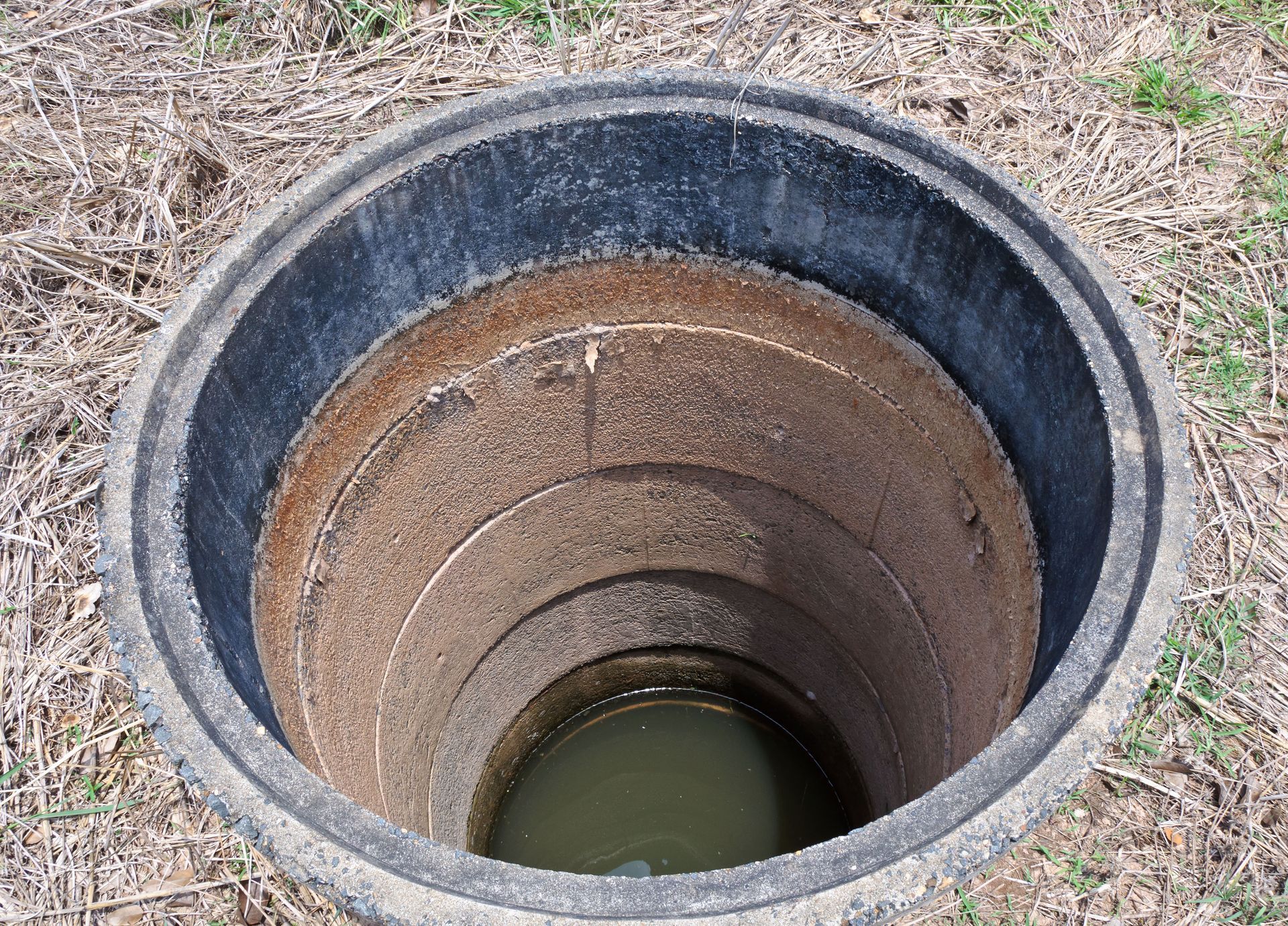
Private wells, though a vital source of water for millions, are inherently vulnerable to a variety of contaminants. Unlike municipally managed water supplies, well water is susceptible to surface runoff and infiltration by pollutants. The natural and man-made environments both play roles in the degradation of water quality. This highlights the importance of regular monitoring to detect possible contaminants before they pose health risks. Routine well water testing, therefore, becomes an indispensable practice to ensure the water consumed remains safe and clean over time.
According to the Centers for Disease Control and Prevention, it is necessary to test your well water at least once every year for total coliform bacteria, nitrates, total dissolved solids, and pH level. Such vigilance not only protects the immediate health of well users but also maintains the integrity of the water source for the future. There is a substantial economic component associated with maintaining water quality in private wells. If contaminated, the cost and inconvenience of securing alternative water supplies or implementing filtration solutions can be substantial.
Identifying Common Well Contaminants
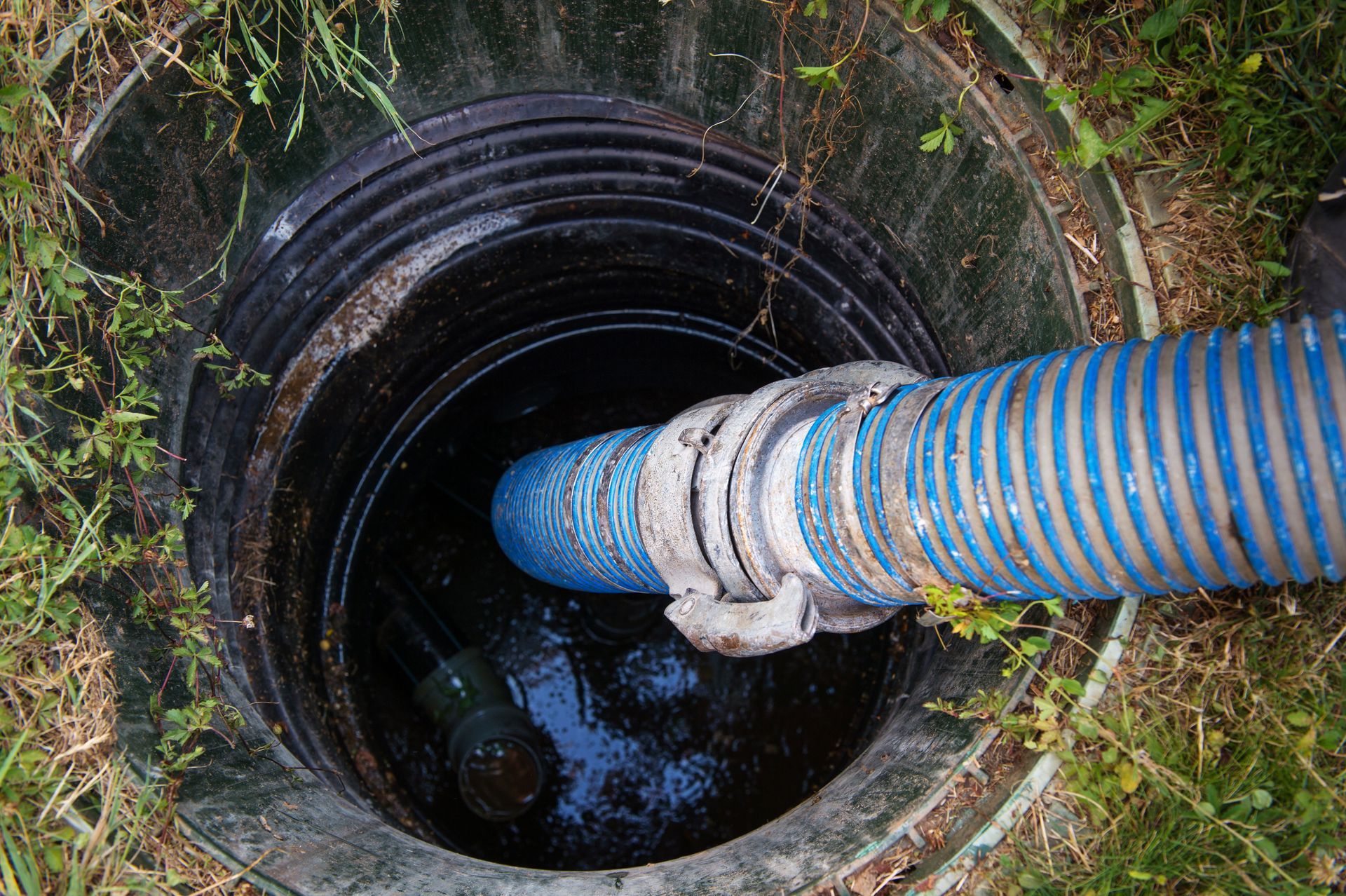
Microbial contaminants pose a severe risk to private well water. Bacteria such as Escherichia coli are a common threat, often resulting from human or animal waste contamination. Similarly, viruses, though less commonly detected than bacteria, can infiltrate wells through septic system failures or surface water intrusion. These microorganisms can lead to illnesses ranging from gastrointestinal distress to more serious infections, especially in vulnerable populations. Regular well water testing for microbial presence is crucial to safe consumption and highlights the need for annual inspections as advised by health agencies.
Chemical contaminants such as nitrates and arsenic are routinely found in private wells, with varied and dangerous effects on human health. Nitrates, for instance, are primarily introduced through agricultural runoff, products from septic systems, or animal manure, and can be particularly harmful to infants causing conditions like blue baby syndrome. Arsenic, a more insidious element that often occurs naturally, poses significant health risks, including cancer and cardiovascular issues. Heavy metals like lead and mercury are also hazardous contaminants often discovered in private wells, posing dire threats to human health. Lead exposure, frequently linked to older plumbing systems or contamination from industrial sources, can result in severe cognitive and physical damage, particularly affecting children.
Implementing Professional Testing Methods
While some homeowners might look for quick indicators of water quality, utilizing certified laboratory services provides the most accurate and comprehensive evaluation of private well water. These professional services analyze samples for a wide range of contaminants, offering detailed reports on water composition and any potential safety concerns. Laboratories use advanced technology to deliver precise results, vital in assessing complex issues such as trace contaminants or emerging pollutants not detectable by basic means.
The detailed reports produced by professional analyses are an invaluable resource when devising long-term management strategies. They offer insights into specific pollutant sources and suggest practical solutions and preventive measures. Collaboration with laboratory experts enables well owners to better understand local water chemistry, ultimately leading to more targeted and effective water management practices. This empirical approach ensures well owners have all necessary information to make informed decisions regarding water safety and treatment. Comprehensive well water testing through these official channels guarantees that every hidden threat is quantified with scientific precision.
Establishing Regular Testing Schedules
Determining the ideal frequency for water quality testing is a nuanced process influenced by various local factors and existing health recommendations. While an annual check remains a baseline recommendation for every well owner, certain areas may demand more frequent evaluations due to environmental changes or developments in surrounding land use. Changes in local conditions, such as new agricultural activities, heavy flooding, or nearby land construction, may necessitate immediate, additional checks. Developing an adaptable testing schedule that responds to both environmental prompts and routine intervals is critical for capturing a comprehensive view of water safety.
An established testing schedule facilitates ongoing maintenance of water safety, helping identify contaminants before reaching harmful levels. The consistency and timing of testing underpin effective problem detection and resolution, offering a structured approach to managing both persistent and emerging water quality challenges. Owners equipped with a strategic testing plan are well-prepared to mitigate risks promptly, ensuring their water remains safe for consumption. By treating well water testing as a fundamental part of home maintenance, families can ensure that seasonal shifts or local industrial developments do not silently compromise their primary source of hydration.
Interpreting Data and Taking Action
Interpreting test results requires an understanding of both scientific data and regulatory standards, ensuring well owners can accurately assess water safety. The quantification of common contaminants, such as total coliforms or nitrates, needs careful analysis to determine compliance with safety benchmarks and identify potential health risks. Water quality experts recommend correlating these readings with established health guidelines, which provide benchmarks for evaluating acceptability and safety levels. Regularly consulting with water quality professionals for interpretation can support well owners in comprehending intricate and potentially unfamiliar data.
Developing familiarity with water chemistry terminology and metrics further aids in effective data interpretation. Owners should consider sources like local health authorities or online resources that elucidate monitoring data specifics, helping transform figures into actionable insights. This educational approach intrinsically ties daily water use with observable data, elevating personal accountability and vested interest in maintaining optimal water quality. Persistent variations or anomalies signal potential threats that demand further investigation, often prompting additional validation or more detailed laboratory analyses.
Taking ownership of your water supply is a continuous responsibility that requires attention, education, and professional assistance. Private wells offer a wonderful, self-reliant source of water, but they demand proactive management to remain safe. By understanding the vulnerabilities of groundwater, identifying potential chemical and microbial threats, and adhering to strict schedules of professional observation, you can ensure that your household supply remains pure. The health of your family and the longevity of your property value depend entirely on the consistency of your oversight.
When it comes to safeguarding your household, professional well water testing stands as the ultimate line of defense against invisible environmental hazards. Do not wait for changes in taste, color, or odor to alert you to potential dangers, as many of the most harmful contaminants are completely undetectable to the human senses. Reach out to Water Systems Specialties, A Regional Water Authority Company today to schedule a comprehensive evaluation of your well system and secure the expert insights needed to keep your drinking water pure. Investing in professional analysis is an investment in your peace of mind and the long-term well-being of everyone in your home. Let the experts help you maintain a clean, dependable, and safe water supply for years to come.