May 22, 2026
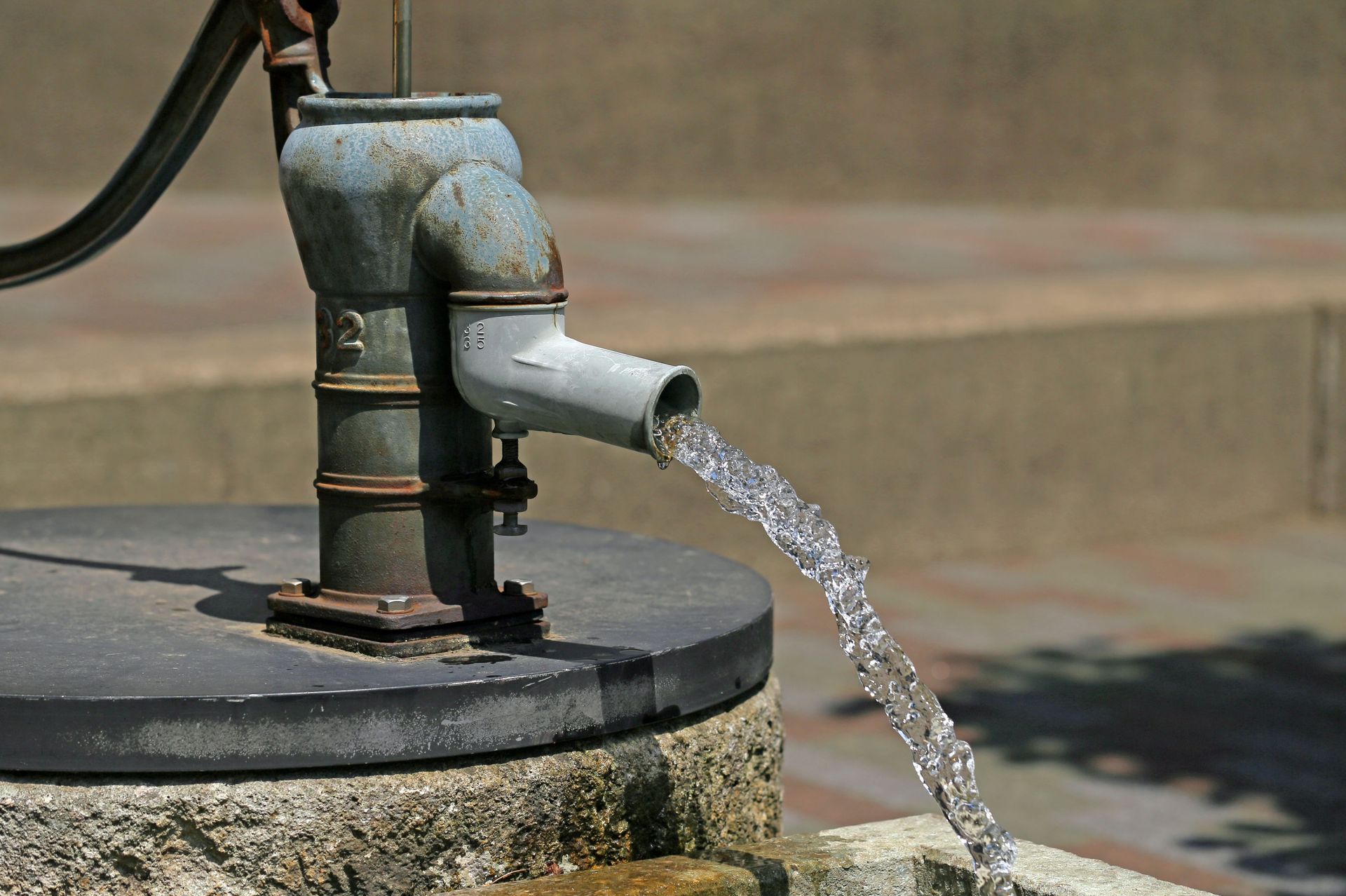
In today's world, the need for a consistent and reliable water supply is paramount across various sectors, including agriculture, industry, and residential communities. Well pump technology has emerged as a vital component in fulfilling this demand, transforming how we access and manage water resources. As the global population continues to grow, advancements in pump technology have become crucial in ensuring sustainable water management, requiring ever-more sophisticated and efficient solutions.
The evolution of pump systems from rudimentary devices to modern technological marvels has significantly impacted water supply reliability. Historical constraints of early systems have been overcome through innovations in design and materials, leading to the development of pumps that are more efficient and durable. This progress has equipped communities with the resources necessary to manage water availability more effectively, boosting the overall water security and economic stability of regions reliant on such infrastructure.
As we look towards the future, further advancements in well pump technology hold the promise of addressing current challenges while opening new avenues for sustainable water management. By integrating digital tools and renewable energy sources, modern pumps can achieve higher efficiency, reliability, and environmental friendliness. This article explores the multifaceted importance of reliable well pump technology and its profound impact on global water supply systems.
1. Evolution of Well Pump Technology
1.1 Historical Background
The history of well pump technology is storied with primitive beginnings, dating back centuries when basic mechanical systems were the backbone of water retrieval. Early designs often involved manually operated systems or simple pulley systems, with inherent limitations in efficiency and scale. These rudimentary devices were typically made from locally sourced materials, which, while cost-effective, often lacked durability and were prone to frequent failures. As a result, communities faced significant challenges in maintaining consistent water supplies, particularly during times of drought or increased demand. Such historical constraints highlighted the dire need for advancements in pump technology to meet growing water needs.
Throughout the years, technological milestones have marked the transition from basic water retrieval methods to more advanced and reliable systems. With the dawn of the industrial revolution, there came an increased focus on improving material quality and mechanical efficiency, leading to the introduction of metal fabrication in pump construction. Steam and eventually electric power significantly increased pump capacity, enabling more profound and widespread water extraction than ever before. These advancements laid the groundwork for modern systems, ensuring that water was more accessible and dependable across various sectors. Thus, the evolution of pump technology reflects a continual adaptation to the increasing complexity and scale of human water needs.
In recent decades, the integration of contemporary innovations such as electronic sensors and improved coatings has further refined pump operations. Today's pumps can adapt to the specific needs of their environment, utilizing smart technologies and the Internet of Things (IoT) for enhanced monitoring and control. Such innovations allow for real-time data collection, predictive maintenance, and automated adjustments, reducing the likelihood of downtime and prolonging the lifespan of the systems. This evolution of well pump technology from manual systems to sophisticated digital solutions showcases the immense strides made in ensuring reliable and efficient water delivery.
2. Importance of Reliability in Well Pumps
2.1 Ensuring Consistent Water Supply
The reliability of well pumps is central to ensuring an uninterrupted water supply, a crucial aspect for all communities dependent on groundwater sources. Frequent interruptions not only disrupt daily life but also pose risks to agricultural productivity, industrial operations, and domestic needs. Moreover, reliable water supply systems are vital in regions where surface water resources are scarce or inconsistent, requiring dependable technology to harness and utilize groundwater effectively. As demand for water grows alongside population increases and industrial expansion, well pumps must operate with precision and dependability to provide sustainable water access. Therefore, ensuring the consistency of water supply through reliable pump technology remains a top priority.
Infrastructures endowed with reliable well pumps avoid costly repairs and potential infrastructure damage due to pump failures. By mitigating infrastructure downtime, these systems help maintain operational efficiency across sectors, ensuring that water supply is not a limiting factor in economic and community growth. Regular maintenance schedules, coupled with technologically advanced pumps, preemptively address potential issues before they impact functionality. Thus, investing in the reliability of well pumps is a cost-effective strategy, enhancing the overall sustainability of water supply infrastructures. According to Grand View Research, the global water pump market size was estimated at USD 74.5 billion in 2025 and is projected to reach USD 103.3 billion by 2033, reflecting the growing investment in pump reliability.
Furthermore, a consistent water supply facilitated by reliable pumps contributes significantly to the safety and health of a community. Water quality is directly influenced by the efficiency of the pump systems, as malfunctions and intermittent operation can lead to contamination and health hazards. Reliable operations prevent such scenarios, ensuring the continuous delivery of clean, safe water to end-users. Additionally, these systems support the implementation of integrated water management strategies, balancing the needs of human, agricultural, and ecological consumers. Thus, reliable well pumps are a linchpin in maintaining water safety and public health.
3. Types of Well Pumps and Their Applications
3.1 Submersible Pumps
Submersible pumps represent one of the most efficient types of well pumps, renowned for their ability to operate while fully submerged in water. This design feature not only prevents cavitation—a common problem experienced by other pump types—but also provides high efficiency in water extraction due to minimal energy loss. The direct placement of submersible pumps in water sources leads to streamlined operations, as water does not need to be lifted, significantly reducing energy consumption. These pumps are particularly advantageous in deep wells and borehole applications, where water needs to be pumped over considerable vertical distances. Additionally, they are versatile, utilized both in residential settings and large-scale agricultural and industrial applications.
Overall, the rapid evolution of well pump technology highlights its growing importance in modern water management, playing a pivotal role in addressing the mounting challenges associated with global water supply. From the technological advancements observed over decades to addressing emerging demands through innovation, well pumps are integral to ensuring uninterrupted, sustainable, and efficient delivery of water across sectors. Their continued advancement, marked by digitalization, adaptation to diverse applications, and environmentally conscious designs, signifies a forward-looking approach to future challenges.
By integrating modern pump technologies with robust management frameworks and inclusive collaborations, the potential of well pumps to transform water supply systems globally continues to expand. As elucidated through case studies and successes in rural and industrial settings, improvements in access to and reliability of water can drive economic stability, social development, and ecological balance. These outcomes emphasize the necessity for persistent investment, innovation, and adaptation within the industry—a sentiment echoed by projections showing growth in the water pump market over the upcoming decades.
Ultimately, well-equipped pump systems stand as fundamental pillars in achieving sustainable water resource management, underpinning societal advancements and ecological stewardship in an increasingly demanding era. The unwavering focus on addressing existing engineering challenges, coupled with harnessing emerging technologies, ensures that well pump technology can overcome any known constraints while continually adapting to respond to unforeseen challenges. This optimistic future empowers communities across the globe, reinforcing the vital role of reliable well pump technology in securing water resilience in an ever-evolving world. Be sure to reach out to Water Systems Specialties, an RWA Well Services Company, to learn more about our professional pump service!