December 23, 2025
A private well system is a critical investment that provides reliable access to clean water for your household. Unlike municipal water supplies, well systems require attentive care to ensure consistent performance, water quality, and longevity. Preventive maintenance plays a vital role in avoiding costly repairs, unexpected breakdowns, and water contamination issues. By understanding how each component of your well system functions and taking proactive steps to maintain it with the help of a well water testing company, homeowners can significantly extend its lifespan. The following preventive maintenance tips focus on professional oversight, routine monitoring, and long-term system health to help protect both your water supply and your investment.
Schedule Regular Professional Inspections
Routine inspections by a qualified well water testing company are essential for identifying potential issues before they become serious problems. During an inspection, technicians evaluate the well pump, pressure tank, electrical connections, and overall system performance. They also assess the well casing and cap to ensure they remain secure and free from damage. Early detection of worn components or minor inefficiencies allows for timely adjustments that prevent larger failures. Regular inspections provide peace of mind by ensuring the system is operating safely and efficiently. This is important because, according to the CDC, over 1 million people in the U.S. get sick every year from germs in their drinking water.
Test Water Quality Consistently
Maintaining water quality is just as important as preserving mechanical components. Periodic water testing helps detect contaminants such as bacteria, nitrates, minerals, and other substances that may affect both health and system performance. Changes in water clarity, taste, or odor can indicate underlying issues within the well or surrounding environment. Consistent testing allows your well water testing company to recommend appropriate treatment solutions before contamination worsens. Clean water not only protects household health but also reduces strain on pumps and filtration equipment, contributing to the long-term reliability of the system.
Protect the Wellhead and Surrounding Area
The wellhead serves as the primary barrier protecting groundwater from surface contamination. Keeping this area clear of debris, chemicals, and standing water is essential. Landscaping should slope away from the well to prevent runoff from entering the casing. Vehicles and heavy equipment should be kept at a safe distance to avoid damaging underground components. A properly sealed and elevated wellhead minimizes the risk of contaminants entering the system, ensuring both water quality and structural integrity remain intact over time.
Monitor Water Pressure Levels
Consistent water pressure is a strong indicator of well system health. Fluctuations in pressure can signal problems with the pump, pressure tank, or plumbing connections. Monitoring pressure allows your well water testing company to identify inefficiencies such as leaks, blockages, or failing components. Maintaining balanced pressure reduces wear on the pump, preventing unnecessary strain that can shorten its lifespan. Addressing pressure issues promptly helps maintain steady water flow and protects the system from premature mechanical failure.
Maintain the Pressure Tank
The pressure tank plays a crucial role in regulating water flow and reducing pump cycling. Proper maintenance ensures that the tank maintains the correct air-to-water ratio, allowing the pump to operate efficiently. A malfunctioning pressure tank can cause the pump to turn on and off too frequently, accelerating wear and increasing energy consumption. Routine evaluations by a well water testing company help ensure the tank remains properly calibrated and free from internal damage. A well-maintained pressure tank supports consistent performance and extends the overall lifespan of the system.
Address Minor Issues Promptly
Small issues within a well system can escalate quickly if left unaddressed. Unusual noises, intermittent water flow, or changes in system behavior often signal early-stage problems. Prompt attention allows professionals to make targeted repairs before components experience severe damage. Proactive intervention minimizes downtime and prevents the need for extensive repairs or replacements. Addressing minor concerns early is one of the most effective ways to protect the long-term functionality of a well system.
Ensure Electrical Components Are in Good Condition
Well systems rely heavily on electrical components to power pumps and controls. Faulty wiring, damaged connections, or aging control boxes can lead to system interruptions or pump failure. Regular evaluation by a well water testing company of electrical elements ensures stable power delivery and safe operation. Maintaining these components reduces the risk of sudden shutdowns and helps the pump operate at optimal efficiency. Electrical integrity is essential for reliable water access and overall system longevity.
Prevent Sediment and Mineral Buildup
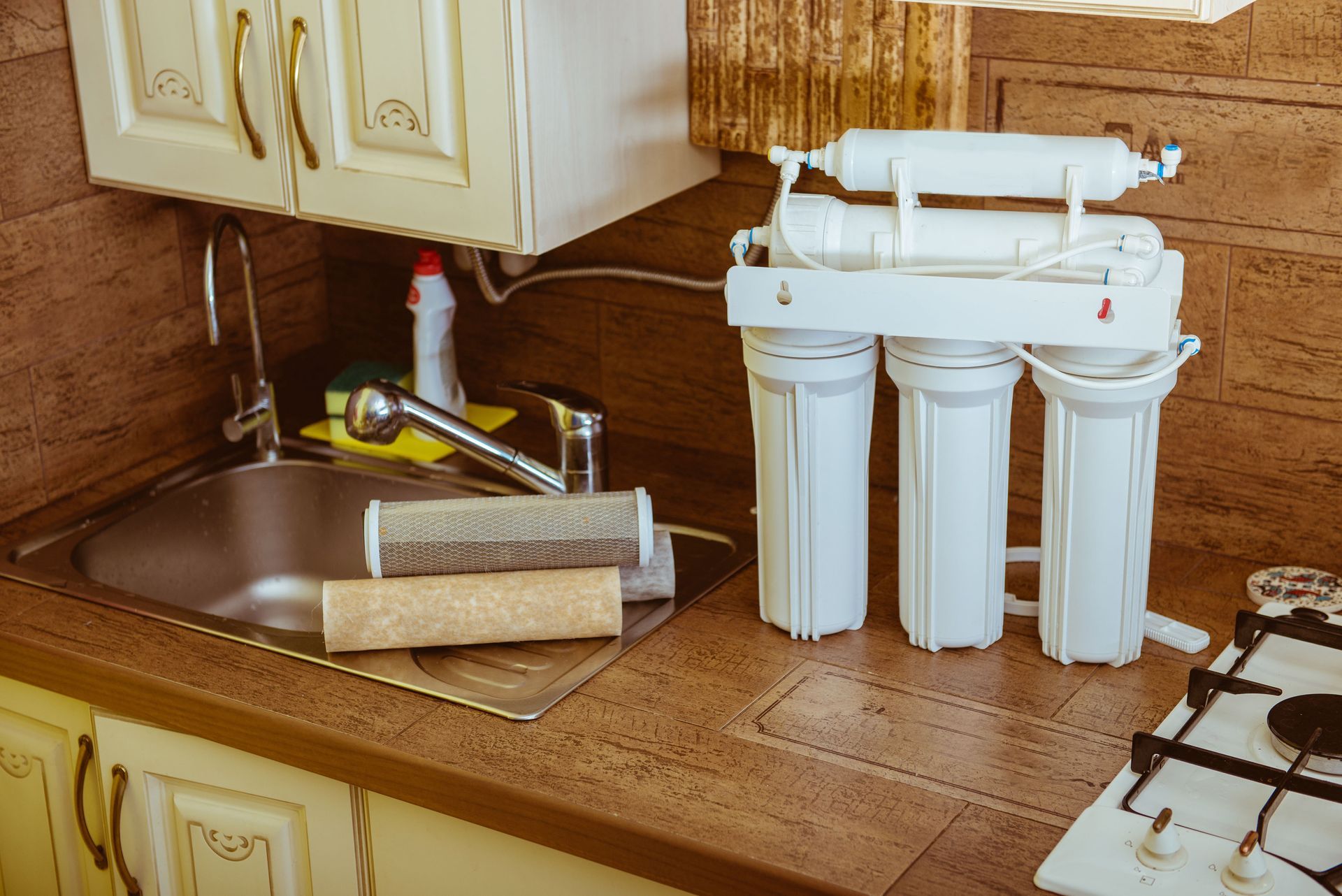
Sediment and mineral accumulation can negatively impact both water quality and system performance. Over time, buildup may clog pipes, strain pumps, and reduce water flow. Periodic system assessments help identify early signs of sediment issues. Treatment solutions, such as filtration or conditioning systems, may be recommended to manage mineral content effectively. Controlling buildup minimizes mechanical stress and ensures consistent water delivery throughout the home.
Maintain Proper Pump Operation
The pump is the heart of the well system, and its performance directly affects water availability. Proper operation depends on balanced pressure, clean water, and stable electrical supply. Monitoring pump cycles helps identify inefficiencies that may lead to overheating or excessive wear. Professional maintenance by a well water testing company ensures the pump remains correctly sized for household demand and operates within optimal parameters. Protecting pump health is essential for extending the lifespan of the entire well system.
Plan for Long-Term System Care
Extending the lifespan of a well system requires a long-term maintenance strategy rather than reactive repairs. Establishing a schedule for inspections, testing, and component evaluations creates consistency and accountability. Keeping detailed service records helps professionals track system performance over time and anticipate future needs. Long-term planning allows homeowners to budget for maintenance and upgrades, reducing the likelihood of unexpected failures. A proactive approach ensures reliable water access and protects the value of the well system for years to come.
Safeguard Against Seasonal and Environmental Changes
Seasonal shifts and environmental conditions can place additional stress on a well system if not properly managed. Heavy rainfall, drought conditions, freezing temperatures, and soil movement all have the potential to affect groundwater levels and system components. Prolonged dry periods may cause pumps to work harder to meet demand, while excessive rain can introduce surface contaminants if protective measures are not in place. Monitoring how environmental changes impact water output and clarity allows your well water testing company to make timely adjustments that preserve system performance.
Keep Detailed Maintenance and Service Records
Creating an accurate record is an often-overlooked aspect of preventive well system maintenance. Maintaining detailed logs of inspections, water tests, repairs, and component replacements provides valuable insight into the system’s overall health. These records allow professionals to identify patterns such as recurring pressure issues, gradual declines in water quality, or components nearing the end of their expected lifespan. With this information, future maintenance can be planned more effectively and efficiently.
Protect the System From Corrosion and Wear
Corrosion and general wear can significantly shorten the lifespan of well system components if left unaddressed. Exposure to minerals, moisture, and natural chemical reactions within groundwater can gradually degrade pipes, fittings, and mechanical parts. Regular assessments allow professionals to identify early signs of corrosion and recommend appropriate protective measures. Managing corrosion helps preserve structural integrity, maintains water quality, and reduces the likelihood of sudden failures that disrupt water service.
Preventive maintenance is the foundation of a long-lasting and dependable well system. By prioritizing professional oversight by a well water testing company, water quality monitoring, and timely attention to system components, homeowners can significantly reduce the risk of costly repairs and water disruptions. Our team at Water Systems Specialties, A Regional Water Authority Company serves the Litchfield County, CT community. Contact our fully licensed professionals today for your free estimate!