December 23, 2025
Buying a home with a well offers numerous benefits, from rural charm to potential cost savings. However, it also comes with its own set of challenges and responsibilities. A crucial part of purchasing a property with a well is conducting a thorough well inspection to ensure the water supply is safe and reliable. This article provides a comprehensive checklist to guide you through the process. Understanding the nuances of well systems is essential to making informed decisions that protect both your investment and health. Many new homeowners also schedule well water testing early in the process to confirm the system’s safety.
Understanding the Basics of Well Systems
Types of Wells: Drilled, Dug, and Driven
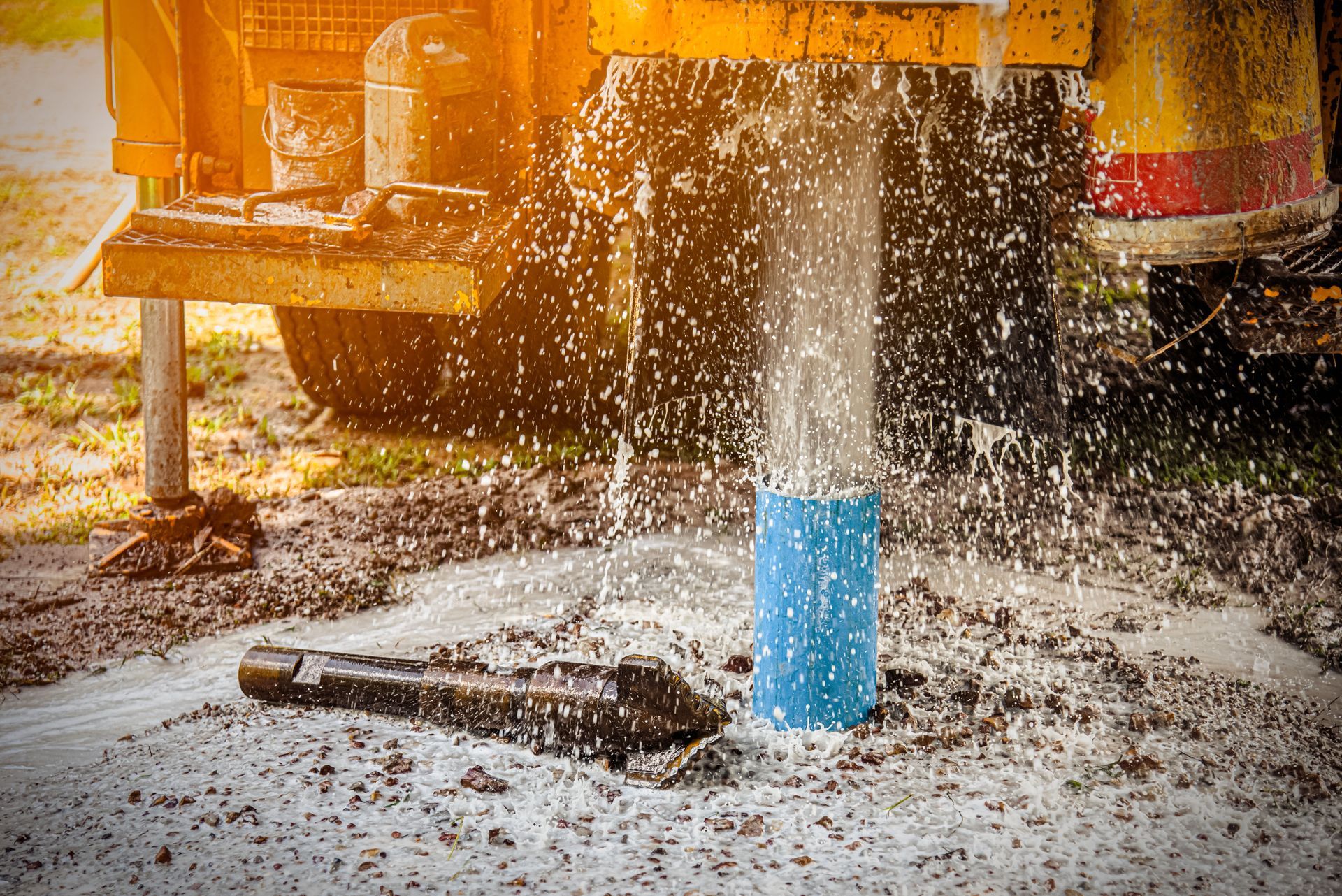
Wells come in various types, with the three main categories being drilled, dug, and driven wells. Drilled wells, reaching depths of up to hundreds of feet, often provide the most reliable water supply and are less susceptible to contamination. Dug wells, typically shallow and wide, are more prone to surface contamination but are historically significant. Driven wells are moderately deep and usually constructed in areas with soft materials such as sand and gravel. Each type has unique characteristics that influence water quality, maintenance needs, and cost implications for homeowners. No matter the type, well water testing is a critical step in confirming the quality of the water source.
Components of a Residential Well
Understanding the key components of a well system is vital for proper maintenance and troubleshooting. The well casing provides structural integrity and contamination prevention by lining the walls of the well. The well cap sits atop the casing, preventing debris and insects from entering and contaminating the water. The pump system, often found at the bottom of the well, is responsible for drawing water into your home. Lastly, pressure tanks within the home help maintain steady water supply and flow rate, ensuring consistent coverage across household needs. Professionals typically recommend incorporating routine well water testing when evaluating these core components.
Common Well Locations and Properties
Wells are commonly located in rural areas due to the lack of municipal water sources. These properties often boast larger land parcels, providing ample space for well placement while adhering to regulatory setbacks. It's important to note that the location and depth of the well can impact water quality and availability. Accessibility to the well is crucial for inspections and maintenance, necessitating careful planning during construction. With approximately 23 million households in the U.S. using private wells, understanding these logistical considerations is increasingly important for prospective buyers. Many of these households rely on scheduled well water testing to maintain long-term safety.
Regulations and Local Codes
Adherence to local codes and regulations is critical when owning a property with a well. These guidelines ensure water safety and the proper construction and maintenance of wells. Regulations often dictate minimum distances from contaminants such as septic systems or chemical storage. Compliance with these regulations not only protects individual households but also safeguards surrounding water resources. Staying informed about local requirements helps homeowners avoid costly penalties and ensures the well's longevity and reliability.
Potential Benefits and Drawbacks
Owning a property with a well offers several advantages, including autonomy from municipal water systems and potential cost savings. Well water is often considered more natural without added chemicals like chlorine, providing a more appealing taste. On the downside, well ownership requires regular maintenance and upfront costs for initial inspections and repairs. There are also risks related to contamination and flow rate consistency that homeowners must be prepared to address. Weighing these factors helps potential buyers make educated decisions about purchasing properties with wells. Routine well water testing helps mitigate many of these risks by offering early detection of quality issues.
Initial Assessment and Visual Inspection
Evaluating Well Location
The location of a well significantly impacts its functionality and water quality. An ideal location is on an elevated area to prevent surface runoff and contaminants from seeping in. The surrounding land should be clear of potential hazards such as chemical storage and waste disposal facilities. Proximity to sources of pollution like roads and industrial areas must be critically assessed. Ensuring a well's location adheres to regulatory setbacks can mitigate contamination risks and improve safety.
Checking Well Head Condition
A visual inspection of the well head is crucial for identifying potential integrity issues. The well cap should be intact and securely fitted to prevent insects, debris, and surface water from entering the well. The area around the well casing should be free from standing water, which could indicate compromised sealing. Inspecting for cracks or corrosion helps ensure that the well remains uncontaminated and functions effectively. Regular checks help in maintaining the well's protective barriers, ensuring a safe water supply.
Looking for Obvious Signs of Contamination
Identifying signs of well contamination early on can prevent health risks and costly repairs. Indicators may include unusual odors, tastes, or cloudiness in the water that should prompt further investigation. Checking the surrounding area for pollutants or hazardous materials is essential for identifying contamination sources. Inspections should also involve checking for animal activity or overgrowth around the well, both of which pose contamination risks. Addressing these signs promptly is critical for protecting your water supply and health. In many cases, well water testing is necessary to confirm whether contamination has occurred.
Identifying Aging Infrastructure
Older wells might exhibit signs of aging that could affect their efficiency and safety. Visible rust, corrosion, or damage to the well casing or cap is often indicative of a problem. Aging infrastructure could lead to reduced flow rate and increased susceptibility to contamination. Experts recommend inspecting well components for wear and tear as part of an initial assessment. Understanding a well's age and condition helps anticipate maintenance needs and costs.
Testing Water Quality and Safety
Importance of Laboratory Analysis
Regular water testing is essential to confirm the safety and quality of a well's water supply. Laboratory analysis provides accurate quantification of contaminants, surpassing what the naked eye can detect. Testing is vital even if the water appears clear and tastes fine, as some detrimental contaminants are not perceptible. Professional testing can identify issues like bacteria, nitrates, heavy metals, and chemicals that pose significant health risks. This step is crucial for protecting not only household welfare but also contributing to the larger water safety ecosystem. Most professionals include well water testing as a standard part of this analysis.
Common Contaminants to Test For
Knowing which contaminants to test for can prevent potential health risks for families relying on well water. Common targets include coliform bacteria, indicating the presence of potential pathogens. Testing for nitrates and nitrites is essential, particularly for households with infants, as these can disrupt oxygen transport in the blood. Heavy metals like lead and arsenic, along with pesticides, can also jeopardize health if present at high levels. A comprehensive water quality test will screen for these and other locally relevant contaminants.
Frequency of Water Testing
Routine testing of well water is recommended to consistently monitor its quality and safety. Experts suggest annual testing for contaminants, with additional tests after major environmental changes, such as flooding. Frequent assessments allow homeowners to detect issues early, reducing the likelihood of prolonged exposure to harmful substances. Regular testing is particularly crucial for wells servicing the approximately 23 million U.S. households that rely on private water sources, according to the EPA. Keeping abreast of test schedules ensures peace of mind and proactive water maintenance.
Investing in a thorough well inspection can offer peace of mind and protection against unexpected surprises. By understanding the intricacies of well systems and adhering to a comprehensive inspection checklist, you ensure the safety, quality, and longevity of your new home's water supply. With informed decision-making, buying a home with a well can be a rewarding experience. Approaching well ownership with knowledge of key maintenance strategies and professional support will help secure your investment. Armed with this comprehensive checklist, you are well-equipped to navigate the unique challenges and rewards of owning a home with a well. If you need professional well water testing, make sure to contact Water Systems Specialties, A Regional Water Authority Company today!