November 25, 2026
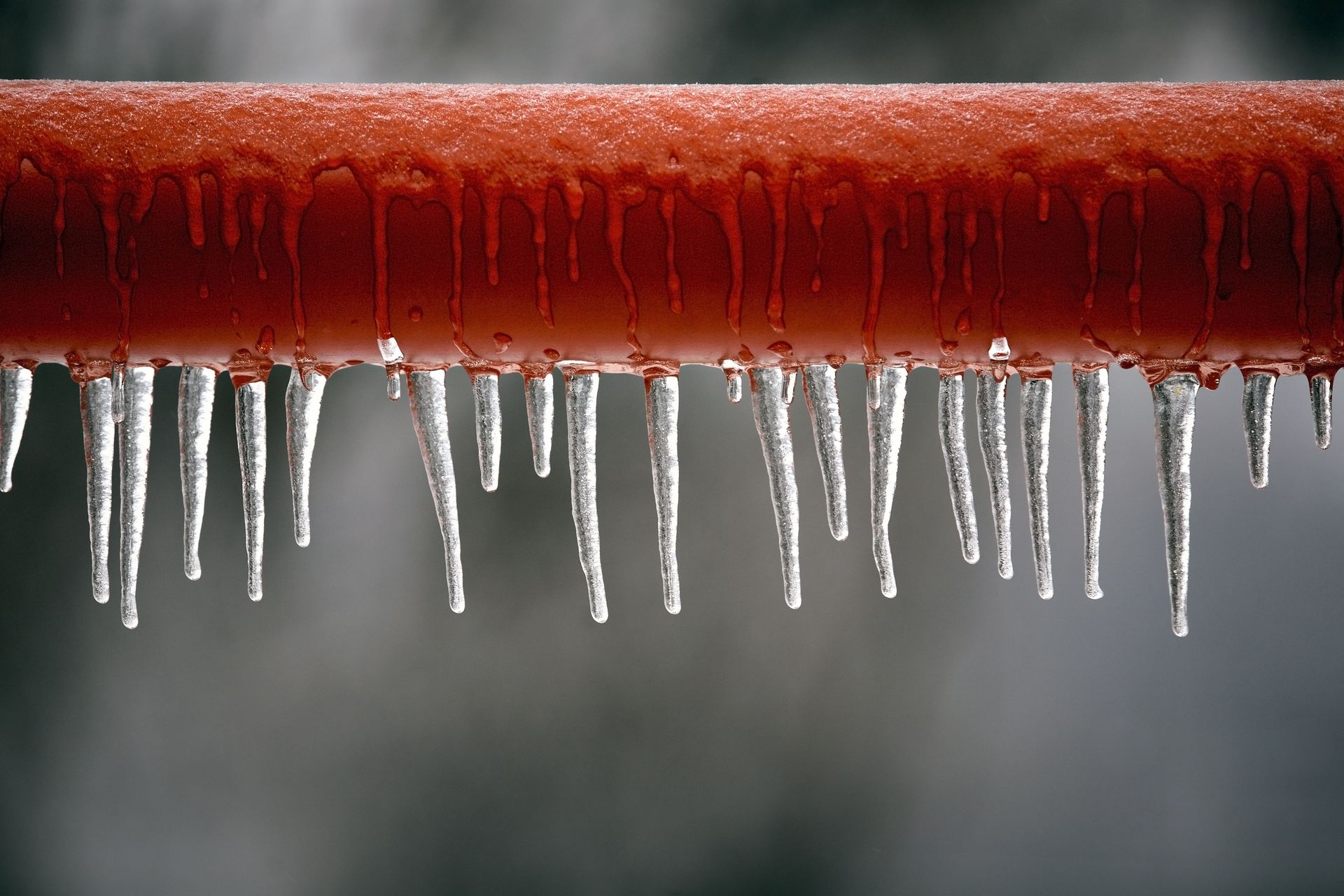
Freezing weather presents severe challenges for residential water infrastructure. When ambient temperatures drop below freezing, liquid water trapped inside pipes and mechanical fixtures expands into solid ice. This physical expansion creates immense pressure against metal and plastic casings. Without adequate protection, these vital fixtures crack and fail, leaving homes without running water. Property owners must implement preventative measures before the chill arrives to avoid catastrophic plumbing failures during mid-winter freezes.
Insulating the Above-Ground Components
Exposed pipes remain vulnerable to dropping temperatures. Any section of the plumbing network sitting above the frost line requires robust insulation to prevent ice formation. Residents consulting with local well pump companies learn that wrapping pipes in thick foam sleeves provides a strong barrier against the cold. The foam traps ambient heat and blocks icy winds from chilling the metallic surfaces, keeping the water inside in a liquid state.
Many properties feature a dedicated shelter to house the mechanical equipment. While a wooden or cinderblock structure blocks snow, the thin walls provide little thermal resistance. Adding fiberglass batts or rigid foam boards to the interior walls creates a warmer environment. The added layers trap thermal energy radiating from the earth, keeping the enclosed space above freezing regardless of exterior conditions and protecting the metal components from frost.
Property owners also utilize heat tape for additional freeze protection. These specialized electrical cables wrap around pipes and generate a steady amount of warmth. A built-in thermostat activates the heating element when ambient temperatures plunge. Installers must follow manufacturer instructions to avoid fire hazards. Proper installation ensures the heat tape remains secure without overlapping or coming into contact with flammable building materials inside the structure.
Securing all insulation materials guarantees maximum effectiveness against the cold. Weather-resistant tape keeps foam sleeves from slipping down the pipes or splitting open at the seams. Residents should perform a visual inspection of all wrapped components before the freeze sets in. Locating and covering minor gaps prevents cold air from targeting small sections of exposed metal, which causes localized freezing and subsequent pipe bursts in the dead of winter.
Sealing the Vulnerable Access Points
Cold drafts entering the equipment housing negate the benefits of thick insulation. Wind penetrating through cracks lowers the ambient temperature and accelerates the freezing process. Professionals from local well pump companies advise homeowners to seal every crevice around the structure. Expanding foam or exterior-grade caulking fills irregular gaps around door frames and foundation lines, blocking chilling breezes from reaching the mechanical parts and freezing the standing water.
The main casing cap itself demands attention during weatherproofing efforts. A cracked or loose cap allows freezing air to descend straight into the casing. A compromised seal also invites insects, debris, and surface runoff to contaminate the drinking supply. Upgrading to a sanitary, watertight cap solves various problems at the same time. The solid rubber gasket forms a barrier against both contamination and frigid downdrafts plunging into the earth.
Ventilation remains necessary for certain configurations to release built-up gases from the earth. However, oversized vents let in excessive cold air. Modifying these openings with fine mesh or specialized baffles reduces the wind chill factor inside the enclosure. The modified vents continue to allow necessary gas exchange but restrict the harsh winter gusts from overwhelming the thermal protections put in place by the property owner.
Ground shifting during freeze and thaw cycles creates new vulnerabilities around buried lines. Soil erosion sometimes exposes sections of piping hidden below the frost line. Adding fresh soil and mulch over these areas restores the natural insulation provided by the earth. Residents unsure about buried line depths consult local well pump companies for guidance on proper trenching and adequate dirt coverage over crucial plumbing paths leading to the house.
Monitoring the System Pressure Levels
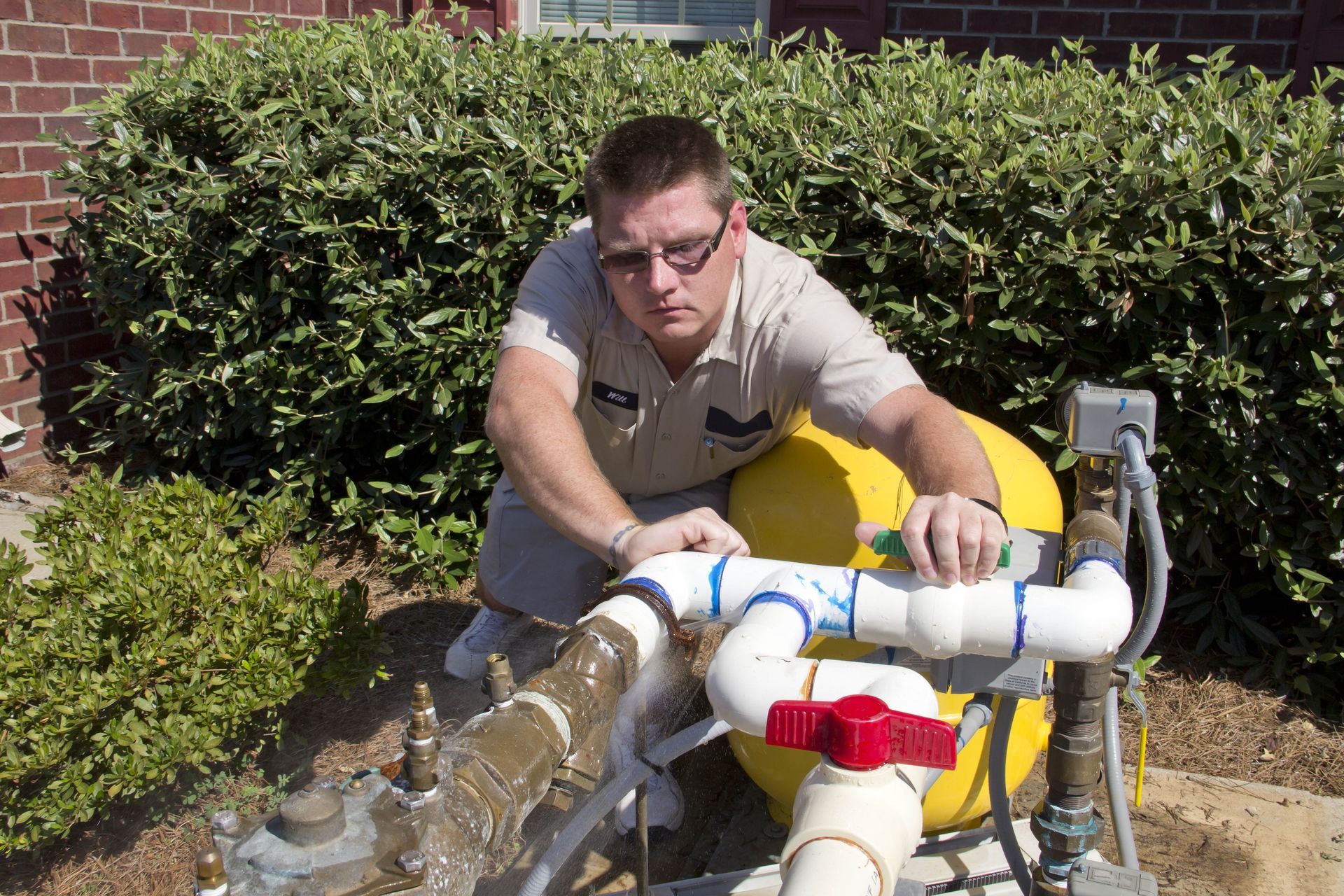
The pressure tank works alongside the main motor to maintain consistent water flow. Cold weather affects the internal pressure dynamics, causing the equipment to work harder than necessary. A waterlogged tank forces the main motor to cycle on and off in a rapid rhythm. This continuous mechanical strain generates excess wear and tear, leading to premature motor burnout during the harshest weather of the season when repairs prove difficult.
Homeowners utilize standard tire gauges to check the air charge within the pressure tank. The optimal setting resides just below the activation threshold of the main switch. Correcting the air volume stabilizes the entire plumbing network. When the tank maintains the correct balance of air and water, the underground motor cycles fewer times, preserving its mechanical integrity and reducing overall electrical consumption throughout the winter months.
The pressure switch represents another component susceptible to winter damage. If moisture accumulates on the electrical contacts, ice forms and blocks the signal to turn the motor on or off. A frozen switch either prevents water delivery or causes the motor to run nonstop. Technicians working for local well pump companies recommend placing a small, shielded heat source near the switch for protection against condensation freezing on the contacts.
Residents must remain observant of changes in faucet performance. Sputtering taps or sudden drops in water volume indicate a developing freeze within the lines or a failing pressure switch. Ignoring these subtle signs guarantees a complete system failure. Addressing minor flow fluctuations allows property owners to resolve small ice blockages before expanding ice shatters the pipes and ruins the expensive electrical components controlling the water flow.
Scheduling the Seasonal Maintenance Checks
Preventative maintenance offers the best defense against winter plumbing disasters. A comprehensive inspection identifies failing components before the stress of freezing weather causes them to shatter. Assessing the electrical connections, measuring the motor amperage, and testing the pressure switch ensures every part operates within safe parameters. Performing these diagnostic checks in the autumn prevents emergencies from arising during a mid-winter blizzard when service vehicles cannot access the property.
Evaluating the age of the equipment helps residents anticipate inevitable mechanical failures. Mechanical parts possess finite lifespans regardless of how much insulation surrounds them. According to HomeGuide, well pumps typically need to be replaced every eight to 15 years. Keeping track of the installation date allows homeowners to plan for a replacement rather than suffering a sudden breakdown during a severe cold snap when the household requires a steady water supply.
While property owners handle basic insulation tasks, complex mechanical assessments require professional tools and knowledge. Professional technicians possess the training to spot microscopic cracks in the casing or detect subtle changes in motor vibrations. Hiring local well pump companies for an autumn inspection provides peace of mind. These professionals pinpoint vulnerable areas and implement robust weatherproofing strategies beyond simple foam pipe wraps, ensuring the machinery survives the frozen season.
Maintaining detailed service records assists with long-term system management. Documenting past repairs, pressure settings, and insulation upgrades creates a roadmap for future maintenance. If a freeze-related failure occurs, the service history guides technicians toward the most probable cause. Organized records streamline the diagnostic process, saving property owners money on labor costs while ensuring the mechanical infrastructure receives the exact care it requires to function in freezing conditions.
Protecting a residential water supply demands proactive effort and attention to detail. From wrapping exposed pipes in thick insulation to sealing cracks in the equipment shelter foundation, every action builds a stronger defense against winter weather. Partnering with local well pump companies ensures the mechanical parts remain in peak condition. When you need to winterize your system, we at Water Systems Specialties, A Regional Water Authority Company, stand ready to help as one of the area's dedicated local well pump companies. Contact us today to schedule a seasonal maintenance check and ensure your water keeps flowing safely all winter long.