July 17, 2026
Water treatment is a crucial process in ensuring the safety and quality of drinking water. It transforms potentially hazardous water into a safe resource for daily consumption. Despite its importance, misconceptions abound, fueled by misinformation and a lack of awareness.
These misconceptions can lead to public distrust and hesitancy towards essential water treatment company practices. Taking a deeper look at issues such as tap water variability, bottled water safety, and the roles of different treatment methods will provide clarity. As we demystify these topics, we hope to guide people in making informed decisions about their water consumption. A well-informed public is pivotal in sustaining effective water management for healthy communities.
Misconception 1: All Tap Water Is the Same
Understanding Regional Differences
Tap water isn't homogeneous; its composition varies significantly due to regional differences. The presence of minerals and trace elements can fluctuate based on the area's geological makeup. Consequently, regions apply localized water treatment processes tailored to their unique demands. For instance, areas with heavy mineral deposits might require enhanced filtration methods. Understanding these regional differences is essential for appreciating the diversity in tap water characteristics.
Furthermore, water quality in different areas is shaped by changing climatic conditions. In regions prone to flooding or droughts, water treatment must adapt to variations in source water availability. The global challenge remains vast, as according to the United Nations University, only about 52% of wastewater is treated globally. As regions work towards improving treatment standards, understanding regional idiosyncrasies becomes even more vital. A one-size-fits-all approach from a water treatment company could fail to meet specific local needs.
The Role of Source Water Quality
The quality of source water plays an integral role in determining the final output of tap water. Natural water bodies such as rivers, lakes, and underground aquifers contribute significantly to water characteristics. For instance, sediment-filled rivers may require extensive filtration and sedimentation processes. Conversely, groundwater, often rich in minerals but low in contaminants, may demand less intensive treatment.
Geographical and human influences also affect source water quality. Urban runoff and agricultural byproducts can introduce pollutants, requiring advanced treatments like activated carbon filtration. This emphasizes the importance of strategically monitoring and managing source water to optimize treatment. Strategic management is necessary to ensure these water sources remain viable and clean for future use.
Infrastructure and Aging Pipes
Infrastructure plays a pivotal role in ensuring high-quality tap water delivery. Aging pipes, susceptible to corrosion and leakage, can adversely impact water quality. For instance, corroded pipes can introduce contaminants like lead into the water supply. Upgrading such infrastructure with the help of a water treatment company is critical for maintaining optimal water quality from treatment plants to homes.
Misconception 2: Bottled Water Is Always Cleaner Than Tap Water
Evaluating Water Quality Standards
Bottled water is often perceived as cleaner than tap water; however, the standards governing them might tell a different story. In many developed countries, regulatory bodies like the EPA enforce stringent standards for tap water. By contrast, bottled water is regulated by the FDA, which might not always match the rigorous evaluation of tap water.
The disparity in oversight means that bottled water is not automatically superior in quality. For instance, certain contaminants potentially present in bottled water escape the stringent scrutiny applied to public tap water. Moreover, some bottled water brands derive their supply directly from municipal sources, undergoing minimal additional processing. This underlines the importance of not assuming bottled water's superiority.
The Environmental Impact of Bottled Water
Beyond quality concerns, bottled water presents notable environmental challenges. The lifecycle of a single-use plastic bottle contributes to considerable ecological harm, encompassing production, distribution, and disposal. The energy consumed in manufacturing and transporting bottled water outpaces that of tap water.
Plastic waste resulting from bottled water consumption compounds pollution challenges. Oceans and landfills bear the brunt of discarded plastics, which take centuries to degrade. This environmental toll argues against the convenience and presumed cleanliness bottled water offers. Sustainable alternatives, such as reusable bottles and home filtration systems, present viable solutions.
Reducing bottled water consumption could significantly diminish the environmental footprint associated with plastic waste. Public awareness about the broader environmental consequences positively impacts behavioral change. Encouraging consumers to shift towards sustainable practices aligns with goals for ecological stewardship. Identifying and addressing the root causes of bottled water reliance promotes a more eco-conscious mindset.
The Role of Marketing in Consumer Perceptions
Marketing significantly influences consumer perceptions regarding the safety and quality of bottled water. Companies cultivate brand loyalty and trust by associating their products with purity and natural sources. Attractive marketing messages present bottled water as cleaner and safer, leveraging imagery drawn from pristine mountain springs.
Such narratives can sway perceptions, overshadowing objective assessments of bottled versus tap water quality. Oversized marketing budgets amplify these messages, reaching broad audiences and shaping consumer behavior. Addressing the sway of persuasive marketing demands critical assessment skills and access to factual information.
Scientific Studies on Water Quality
Numerous scientific studies have investigated the relative quality of bottled water and tap water. These studies often reveal that tap water meets or exceeds the safety and purity levels maintained by bottled water. Factors such as government oversight, consistent testing, and stringent standards bolster tap water quality.
Studies also expose risks associated with certain bottled water brands, especially those lacking rigorous quality testing. For instance, some brands have faced public scrutiny for elevated levels of contaminants commonly absent in municipal tap water. These revelations spotlight the need for dependable validation across all water sources.
Misconception 3: Boiling Water Makes It Safe to Drink
The Limitations of Boiling
Boiling water is a commonly advised practice for purifying water in emergencies, yet it holds limitations. While boiling effectively deactivates many pathogenic microorganisms, it may not eliminate all contaminants. The potential presence of some viral agents remains even at high temperatures.
Moreover, boiling does not address chemical contaminants, heavy metals, or sediment particles. These limitations underscore boiling's insufficiency as a standalone water treatment option for comprehensive safety. Understanding boiling's reach enables individuals to apply it where appropriate but seek alternative means when necessary.
Understanding Chemical Contaminants
Boiling's ineffectiveness extends to certain categories of chemical contaminants. These substances can survive high temperatures without decomposition, potentially posing health hazards when ingested. Such resilient pollutants include nitrates, pesticides, and industrial solvents, common contaminants within specific localities.
Exposure to chemical contaminants poses significant health risks, contributing to long-term conditions such as organ damage or developmental issues. Further complicating matters, chemical pollutants can infiltrate natural water sources and persist undetected. This underscores the urgency of integrating supplementary treatment processes to tackle contaminants.
Alternative Treatment Methods
Countless alternative treatment methods can complement or bypass boiling to ensure drinking water safety. Technological advancements have afforded access to filtration units, ultraviolet disinfection, chlorination, and reverse osmosis systems. These solutions target a broader spectrum of contaminants, ensuring optimal water quality.
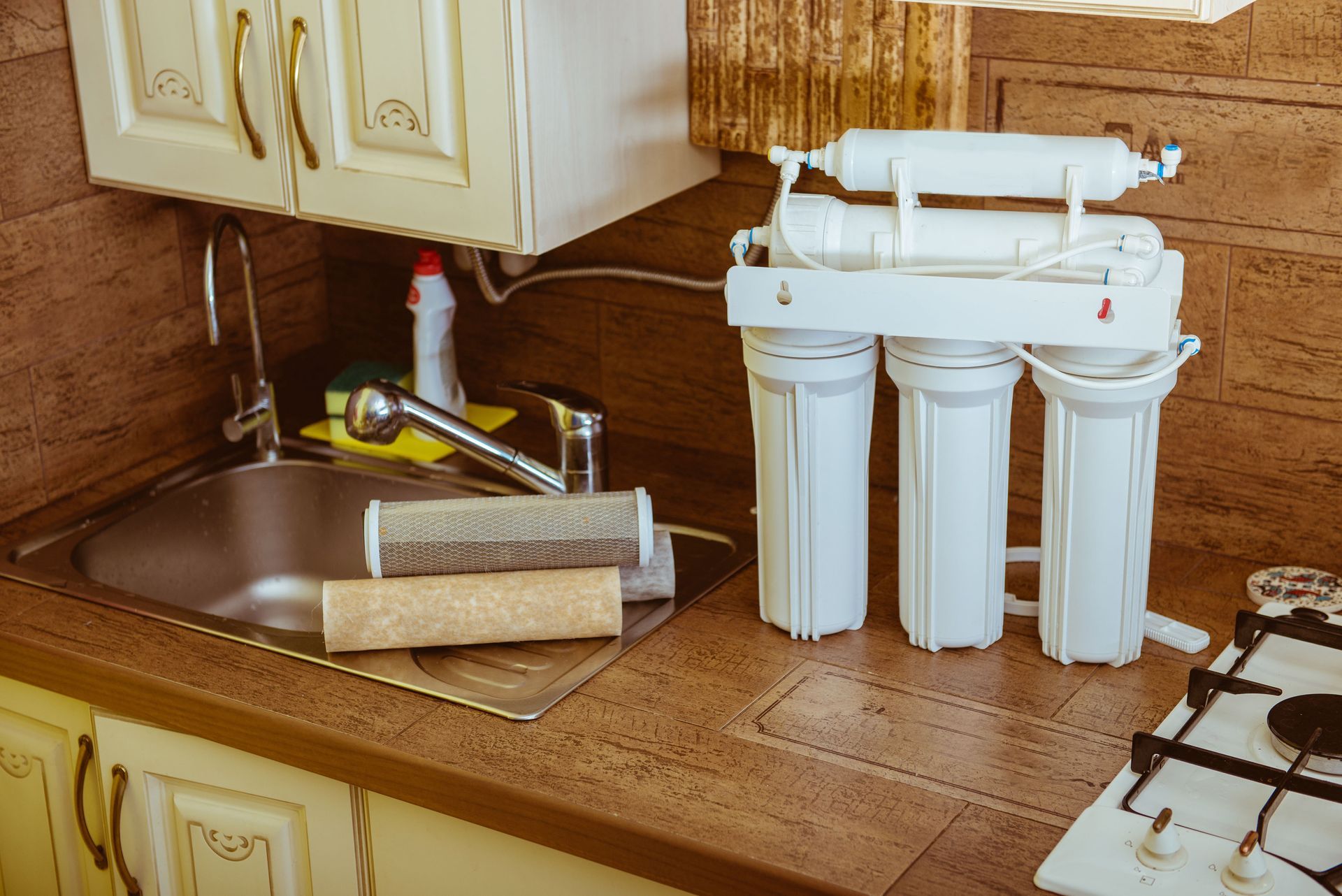
For many households, filtration units offer an accessible means to supplement water treatment. These systems capture particulate matter, microorganisms, and even some chemical pollutants that boiling cannot eliminate. Seeking multifaceted treatment approaches with a water treatment company guards against the shortcomings of singularly focused methods.
The Role of Filtration Systems
Filtration systems stand as a key ally in fortifying the safety of drinking water. Available in various forms, such as pitcher, faucet, under-sink, and whole-house filters, they cater to distinct purification needs. Filtration effectively captures impurities, sediment, and contaminants, raising water quality to acceptable standards.
Integrating filtration systems ensures consistent water quality while broadening treatment efficacy beyond boiling's limitations. Systems vary in complexity, ranging from basic sediment filtration to advanced multi-stage units targeting diverse impurities. Employing appropriate filtration systems offers reliable safeguards against pollutants present in tap water.
Demystifying the common misconceptions surrounding water treatment reveals that securing clean drinking water requires a deeper understanding of the intersection between regional geology, infrastructure, and targeted purification technologies. Moving past marketing narratives and traditional assumptions allows consumers to make truly informed choices, such as utilizing appropriate home filtration systems to address specific local water profiles. A well-informed public serves as the strongest catalyst for advocating for robust infrastructure, protecting household health, and championing sustainable water management practices worldwide. To learn more, reach out to a water treatment company like Water Systems Specialties, A Regional Water Authority Company today!